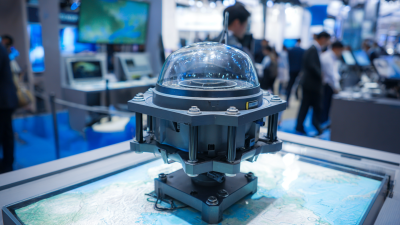
The Air Data Reference System (ADRS) really is a big deal when it comes to keeping flights safe. Essentially, it’s the tech that gives pilots and engineers the crucial info they need — things like altitude, airspeed, and temperature. I mean, Jack Thompson from SkyTech Aviation put it pretty well when he said, “The accuracy of the Air Data Reference System is fundamental for safe flight operations.” It’s one of those devices you hardly think about until it’s not working right, but it’s absolutely relied upon in real-time during flights.
Now, a lot of folks don’t really realize just how complex the ADRS actually is. It’s not just a simple gadget — it needs to be precisely calibrated and maintained. Small things like atmospheric pressure or temperature changes can throw off its readings, which sounds minor but can be pretty serious in flight. If the system gives wrong info, pilots could make faulty decisions, and that’s the kind of thing that can lead to disaster. Still, it’s worth remembering that even the best tech is only as good as the humans who maintain it and keep it up to date.
Even with all the technological progress we’ve made, the ADRS isn’t perfect — it can’t be entirely foolproof. That’s why regular checks and maintenance are a must. As airlines push for more efficiency, the importance of having a dependable Air Data Reference System just keeps growing. The reality is, the aviation industry is always learning and adapting — we need to keep refining these systems if we want to stay safe in the future.

What is an Air Data Reference System in Aviation?
The Air Data Reference System (ADRS) plays a crucial role in aviation. It gathers and processes vital air data needed for flight operations. This includes pressure, temperature, and airspeed measurements. According to industry reports, accurate air data is essential for ensuring the safety of commercial flights, which constituted approximately 2.7 billion passengers in 2015.
The ADRS components work together to provide real-time information. Pitot tubes and static ports collect data that is then processed by onboard computers. However, there have been instances where discrepancies in data occurred due to equipment malfunction. A report indicated that up to 40% of reported in-flight anomalies stem from errors in air data systems. Thus, maintaining the equipment becomes paramount.
Moreover, as aircraft become more advanced, the complexity of the ADRS increases. Modern systems can integrate with flight control systems to enhance performance. Yet, the reliance on technology raises questions. How reliable is the data under extreme conditions? The aviation industry continually seeks improvements. However, addressing these challenges is critical to ensuring safety and efficacy in flight operations.
Air Data Reference System Performance Metrics
Key Components of Air Data Reference Systems Explained
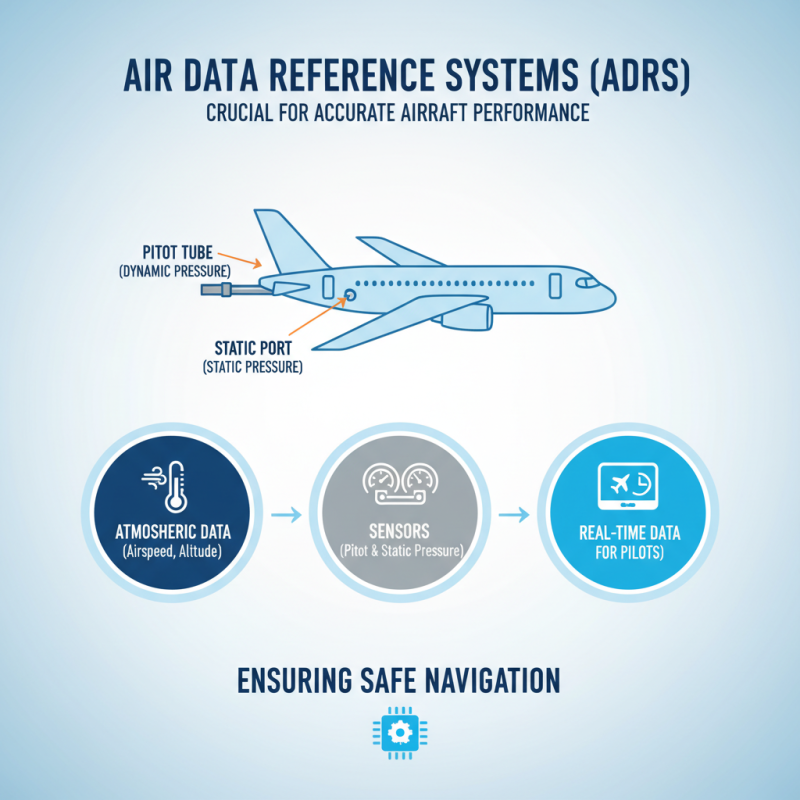
Air Data Reference Systems (ADRS) are crucial for accurate aircraft performance. These systems gather data on atmospheric conditions, such as airspeed and altitude. They utilize sensors, including pitot tubes and static ports, to measure dynamic pressure and static pressure. This information ensures pilots receive real-time data for safe navigation.
Key components of ADRS include pressure sensors, analog-to-digital converters, and data processors. Pressure sensors play a vital role. They convert air pressure into electrical signals. These signals help calculate critical flight parameters. The data processor then interprets these signals to display information on cockpit instruments.
However, the accuracy of ADRS can be impacted by environmental factors. For instance, icing on pitot tubes can result in erroneous readings. Reports indicate that up to 15% of flight incidents stem from inaccurate airspeed readings. Engineers must continually assess sensor performance. Regular maintenance is essential to mitigate these risks. Without this diligence, the consequences could be severe.
The Role of Sensors in Air Data Measurement
The accuracy of air data measurement relies heavily on sensors. These devices collect crucial data about an aircraft's speed, altitude, and direction. According to industry reports, up to 90% of flight safety can depend on data provided by these sensors. Reliable readings are essential for flight operations and navigation.
Various sensors play distinct roles in the Air Data Inertial Reference System. Pitot tubes measure airspeed. Static ports gather data on atmospheric pressure. Altimeters, another vital component, convert pressure readings to determine altitude. Even a slight malfunction in these sensors can lead to significant operational errors. For instance, a 1% inaccuracy in airspeed can result in hundreds of feet of altitude miscalculation.
Maintenance is crucial. Regular checks ensure that sensors remain calibrated. Many operators overlook this aspect, assuming technology is infallible. However, misuse or environmental factors can degrade sensor performance. For example, ice buildup on a pitot tube can severely distort readings. Vigilance is necessary to maintain reliability in air data systems.
What is Air Data Reference System and How Does it Work?
| Parameter |
Description |
Measurement Unit |
Typical Range |
| Airspeed |
Speed of the aircraft relative to the surrounding air |
Knots (KTS) |
0 to 2500 KTS |
| Altitude |
Height of the aircraft above a reference point |
Feet (FT) |
0 to 60,000 FT |
| Static Pressure |
Pressure of the air at rest |
Inches of Mercury (inHg) |
28 to 31 inHg |
| Temperature |
Temperature of the air |
Celsius (°C) |
-50 to 50 °C |
| Density |
Mass per unit volume of air |
Kilograms per cubic meter (kg/m³) |
0.5 to 1.5 kg/m³ |
How Air Data Reference Systems Calibrate Altitude and Speed
Air Data Reference Systems (ADRS) play a crucial role in aviation. They calibrate altitude and speed measurements. This calibration ensures accurate data for flight operations. According to the International Air Transport Association (IATA), reliable altitude data affects safety and efficiency. A 1% error in altitude can significantly impact flight paths.
The process begins with the Air Data Reference Unit (ADRU), which collects environmental data. This unit considers pressure changes and temperature variations. Altitude is calculated using barometric pressure. Speed is derived from pitot tube readings. Any discrepancies in this data can lead to serious flight safety issues. Understanding these details can help engineers improve calibration methods.
However, not all systems are foolproof. Some ADRS might encounter calibration errors. A report from the Aviation Safety Network highlighted this issue in recent incidents. Flight crews occasionally receive misleading altitude readings. These flaws remind us of the importance of continuous system reviews. Modern aviation relies on these technologies, yet perfection is still challenging. Improvements are needed to enhance accuracy and reliability in flight operations.
Integration of Air Data Reference Systems with Flight Control Systems
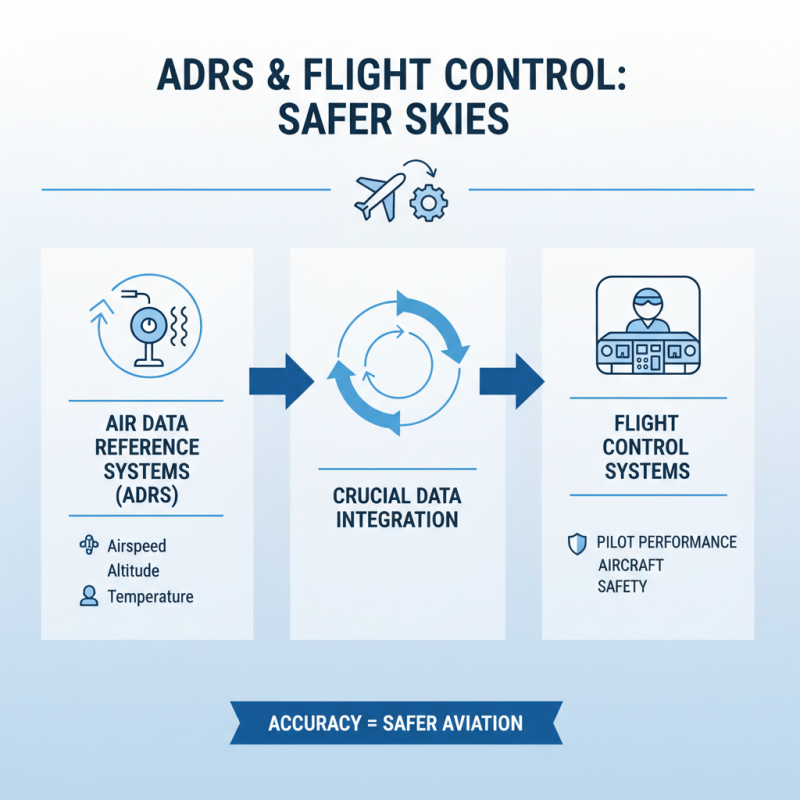
The integration of Air Data Reference Systems (ADRS) with flight control systems is crucial for modern aviation. ADRS provides essential data, including airspeed, altitude, and temperature, which are vital for decision-making in flight control systems. The accuracy of this data directly impacts pilot performance and aircraft safety.
Recent studies show that a well-integrated ADRS can improve flight safety by up to 30%. It allows automated systems to respond quickly to changes in air conditions. A minor error in air data can lead to serious issues, like stall situations or loss of control. Hence, continual validation of ADRS data is necessary to ensure reliability.
Tips: Always monitor system feedback. Regular checks can reveal data discrepancies. Even small anomalies can compromise safety.
Moreover, the collaboration between ADRS and flight control systems is not without challenges. Data processing delays may occur, introducing risk. Poorly designed interfaces can confuse pilots during critical moments. Strong communication between teams developing these systems is essential for minimizing such risks.
Tips: Foster cross-functional discussions. Sharing insights can bridge the gap between ADRS and flight control developers.
Common Issues and Maintenance Practices for Air Data Reference Systems
Air Data Reference Systems (ADRS) are essential for measuring aircraft parameters. While they are critical for safety, issues can arise due to various factors. Common problems include sensor malfunctions and incorrect calibrations. Regular maintenance can help mitigate these issues.
Tips: Always perform pre-flight checks. This helps identify any immediate issues with the ADRS. Pay attention to readings during flights. Any discrepancies might indicate a malfunction that needs addressing.
Inertial Data plays a vital role in enhancing the accuracy of air data readings. When integrating sensor data, ensure that the Inertial Data aligns with the airspeed and altitude measurements. Discrepancies can lead to severe navigation issues. Maintenance practices should include anomaly tracking.
Continuous evaluation is necessary. Over time, sensors degrade and lose accuracy. Follow scheduled maintenance and calibrate the system regularly. Sometimes, it’s easy to overlook minor discrepancies. Don't. Addressing small issues can prevent bigger problems later. Taking a proactive approach is essential for safety.
Future Trends in Air Data Reference Technology and Innovation
The future of air data reference technology is promising yet complex. Innovations are rapidly changing how we measure and interpret airflow. As aircraft grow more sophisticated, the demand for accurate and reliable data increases. The use of Inertial Measurement Unit Data will play a crucial role in this evolution. These units gather essential data related to an aircraft's motion, providing a more comprehensive understanding of its environment.
Technological advancements are not just about enhancing existing systems. They also introduce challenges. New sensors and algorithms need stringent testing. Data quality and integration remain critical issues. Without proper calibration, even the most advanced systems can yield misleading information. Companies must navigate this delicate balance as they embrace changes in air data technology.
Collaboration within the aerospace industry is vital. Information sharing can lead to breakthroughs, but it requires transparency and trust. As new technologies emerge, training for technicians will also evolve. Emphasis on continuous education will be necessary to keep pace with innovation. The future of air data reference systems is exciting, but it invites us to reflect on how we manage the challenges ahead.
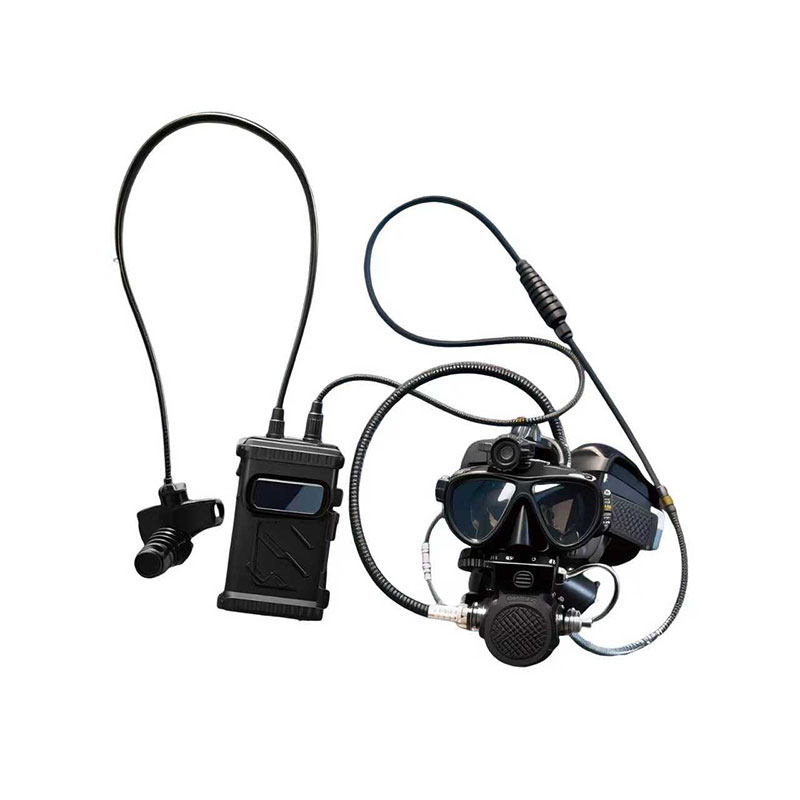
Exploring the Capabilities and Applications of the DIVER 102 Underwater Acoustic Communication System
The DIVER 102 Underwater Acoustic Communication System has emerged as a transformative technology in enhancing communication capabilities for diver teams and surface command centers. By breaking through the acoustic barrier, this system enables clear and stable two-way voice and data exchanges, which are critical for conducting coordinated underwater operations. According to a report from the International Maritime Organization, communication failures are one of the leading causes of accidents in underwater missions, underscoring the importance of robust communication solutions like the DIVER 102.
In depth, the DIVER 102 leverages advanced signal processing techniques to provide reliable connections that operate effectively in the challenging underwater environment, where traditional communication methods often fail. Data from the National Oceanic and Atmospheric Administration indicates that poor communication can result in inefficient operations and increased risks, particularly in complex scenarios such as search and rescue missions or scientific explorations. The DIVER 102 not only enhances operational efficiency but also significantly improves diver safety, allowing for real-time updates and coordinated responses to unforeseen challenges.
Furthermore, as industries continue to explore the depths of oceans for resources and environmental monitoring, the demand for effective underwater communication technology grows. Market analysis projects a significant increase in the adoption of underwater communication systems, as organizations recognize their value in improving mission success rates and ensuring safety in underwater operations. The DIVER 102 stands at the forefront of this evolution, embodying the capabilities necessary to meet the growing demands of modern underwater initiatives.
FAQS
: It is designed to enhance daily activities and improve overall lifestyle.
Follow the instructions provided. Use it consistently for the best results.
Some users may experience minor discomfort initially. It's important to listen to your body.
Results can vary between individuals. Patience is key; noticeable changes may take several weeks.
It is generally safe for most, but consult a professional if you have health concerns.
Stop using the product immediately. Reach out to a healthcare provider for advice.
Yes, but terms may vary. Review the return guidelines to understand your options.
While it can be combined, seek advice from a healthcare professional first.
Don’t worry too much. Just resume use the next day without doubling the amount.
Ideally, yes. However, reflection on its ongoing effectiveness is essential.
Conclusion
An Air Data Reference System (ADRS) is a crucial component in aviation that provides accurate atmospheric data necessary for the operation of various aircraft systems. It typically includes several key components, such as pitot tubes, static ports, and various sensors that measure airspeed, altitude, and other critical parameters. These sensors play a vital role in ensuring that the data provided is reliable, allowing for effective calibration of altitude and speed, which are essential for safe flight operations.
Furthermore, the integration of the Air Data Reference System with flight control systems enhances aircraft performance and safety by ensuring that all systems are synchronized with the accurate data. Regular maintenance practices are essential to address common issues that may arise in ADRS, ensuring its longevity and reliability. As technology advances, the future trends in air data reference systems will likely focus on increased precision, improved sensor technologies, and innovations that enhance aircraft safety and efficiency.

 TBSD60
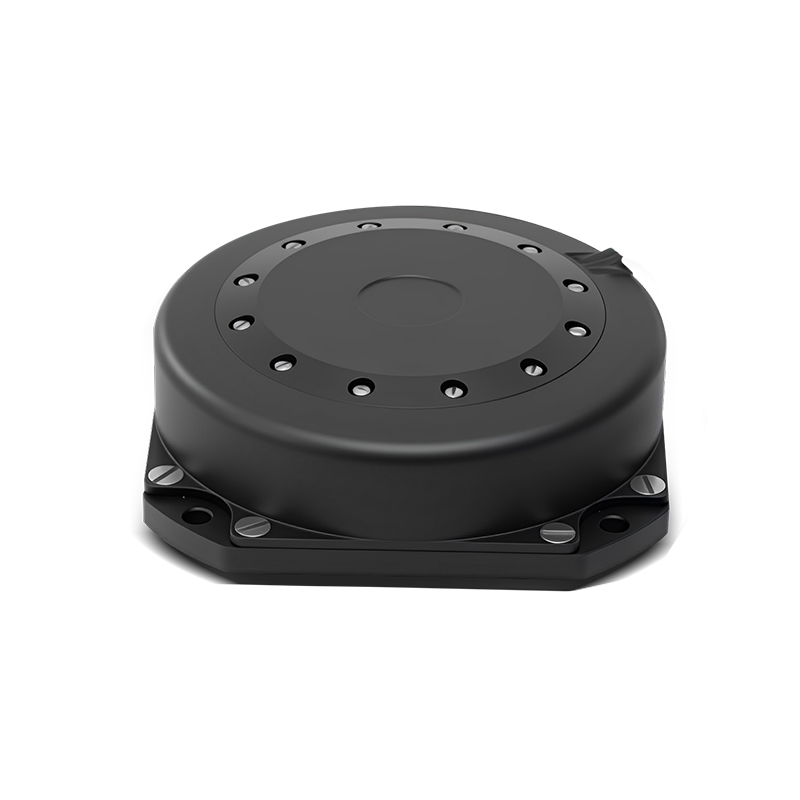
 BSD120
 BSD98
BSD98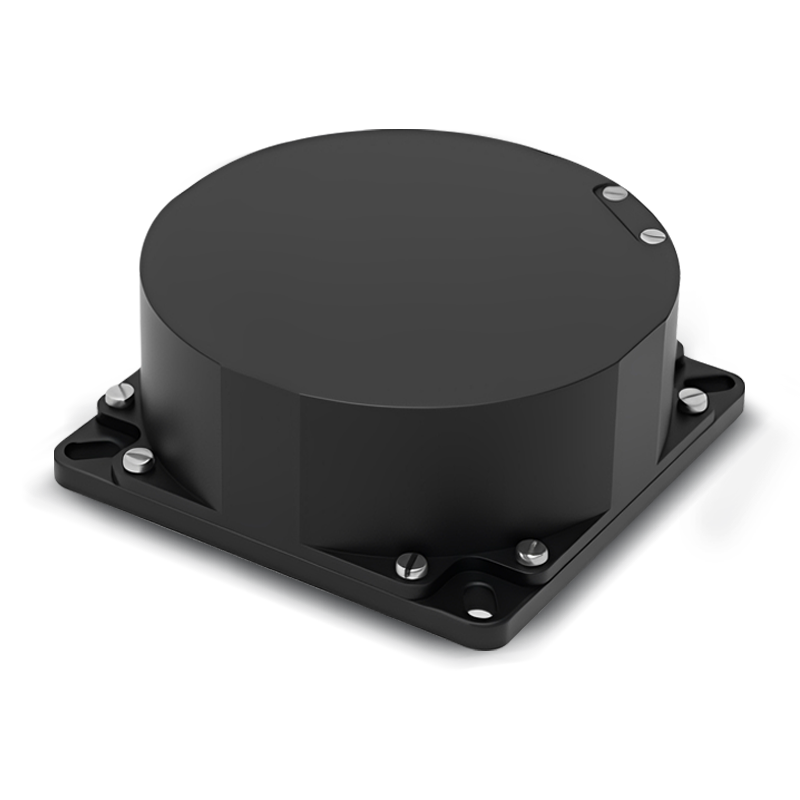 BSD70
BSD70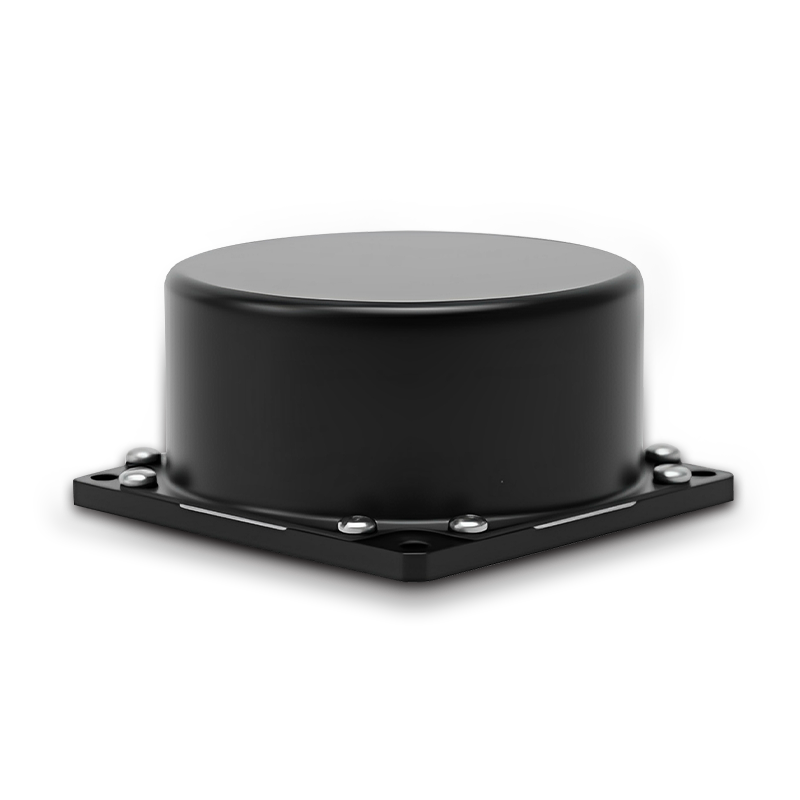 BSD60
BSD60 BSD50
BSD50 BSD217
 INS1700
 INS970
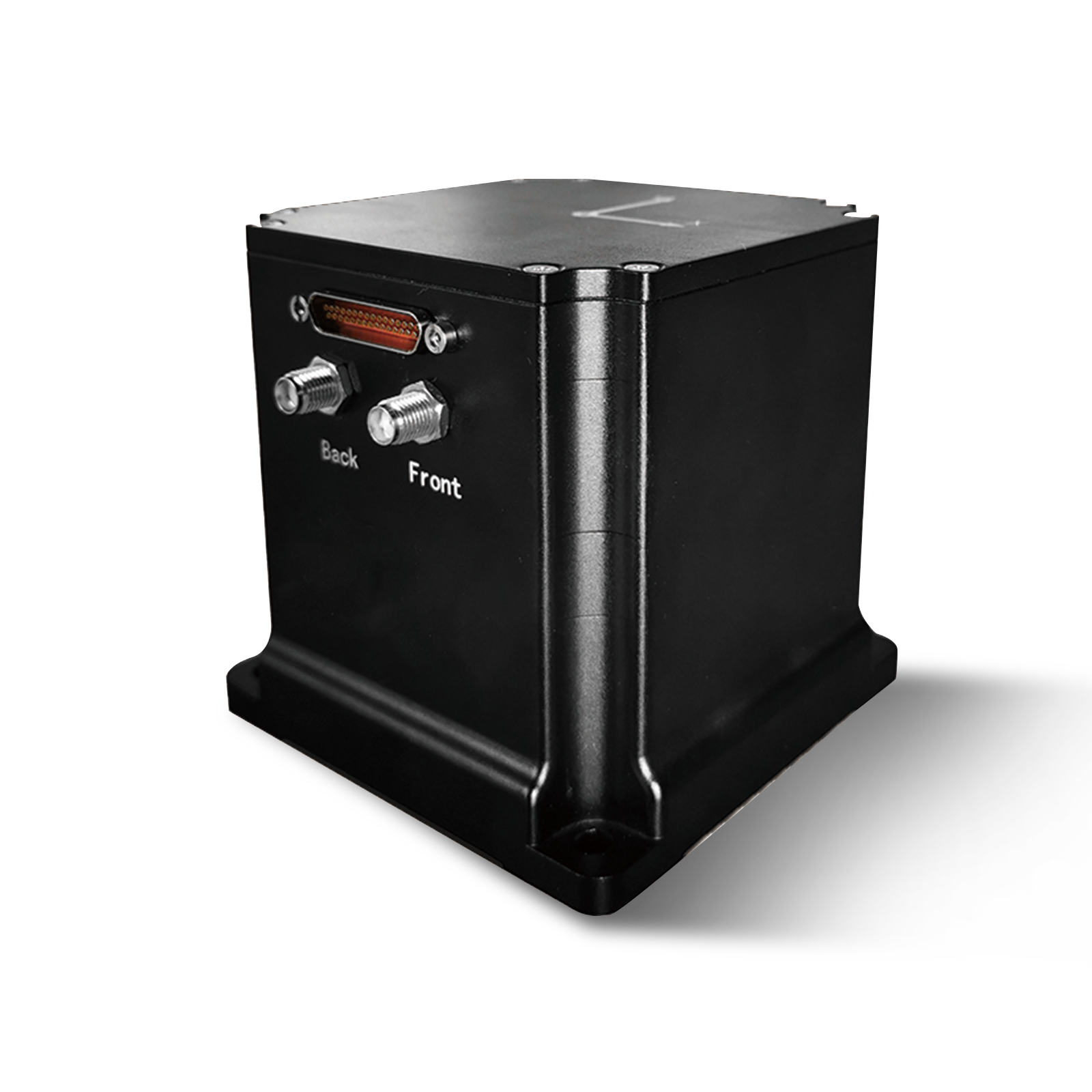 INS570
 INS170
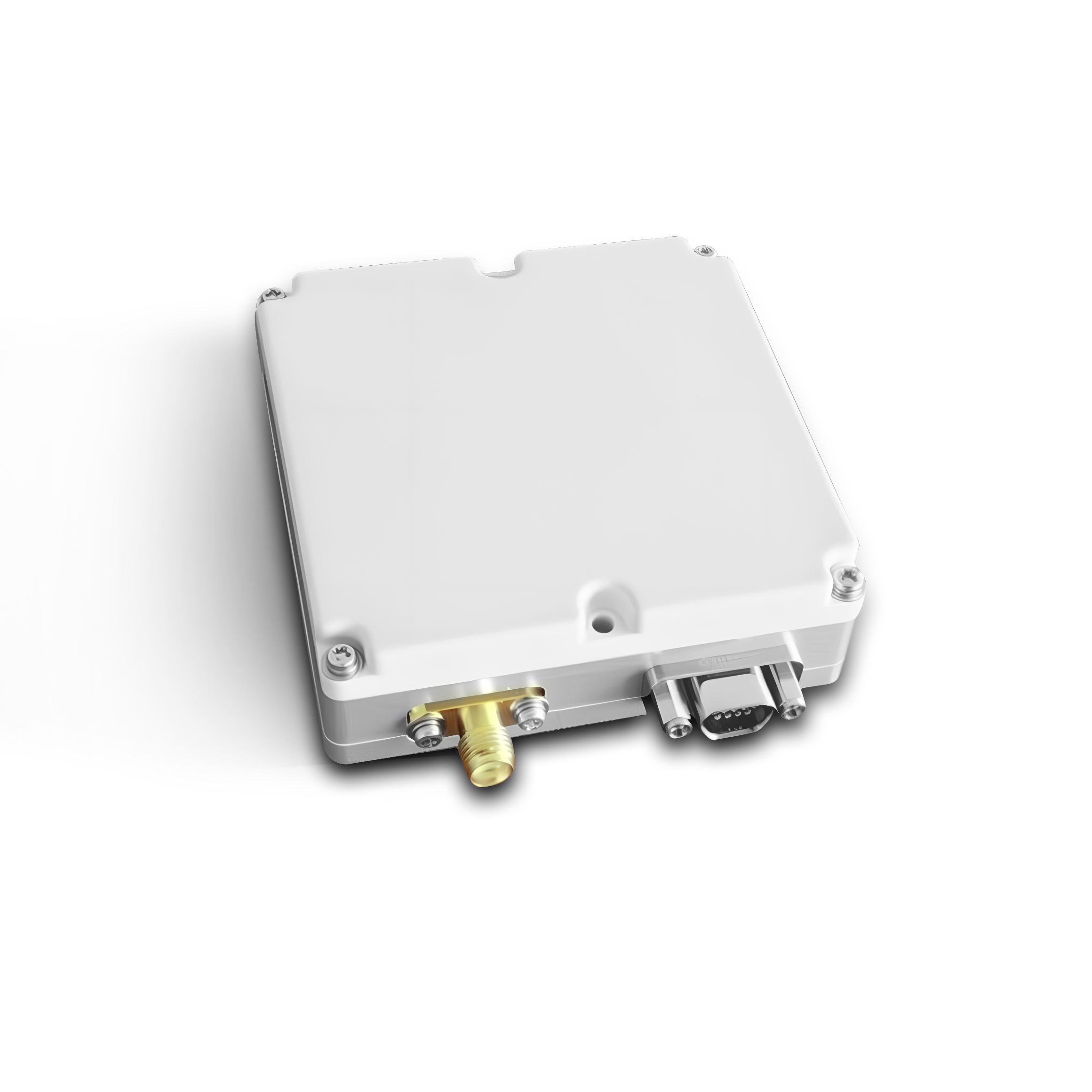 SLA-4B1L1-65
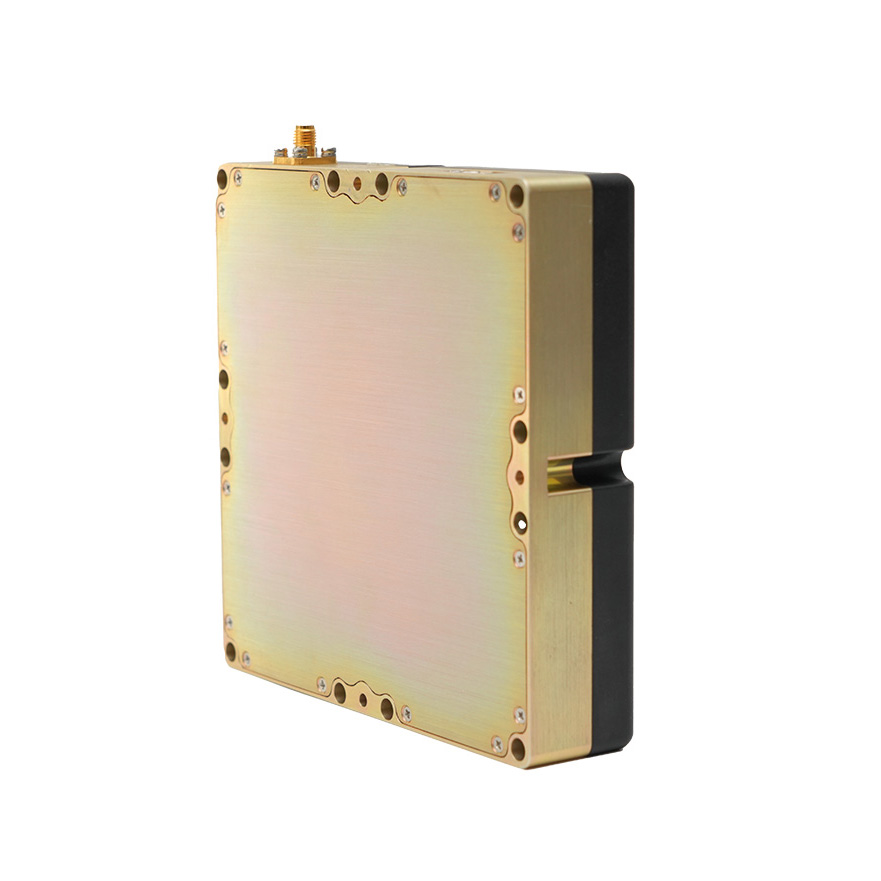 SLA-4B1L1-130
 SLA-8B1L1-165
 DIVER 101
 DIVER 102
 DIVER 103
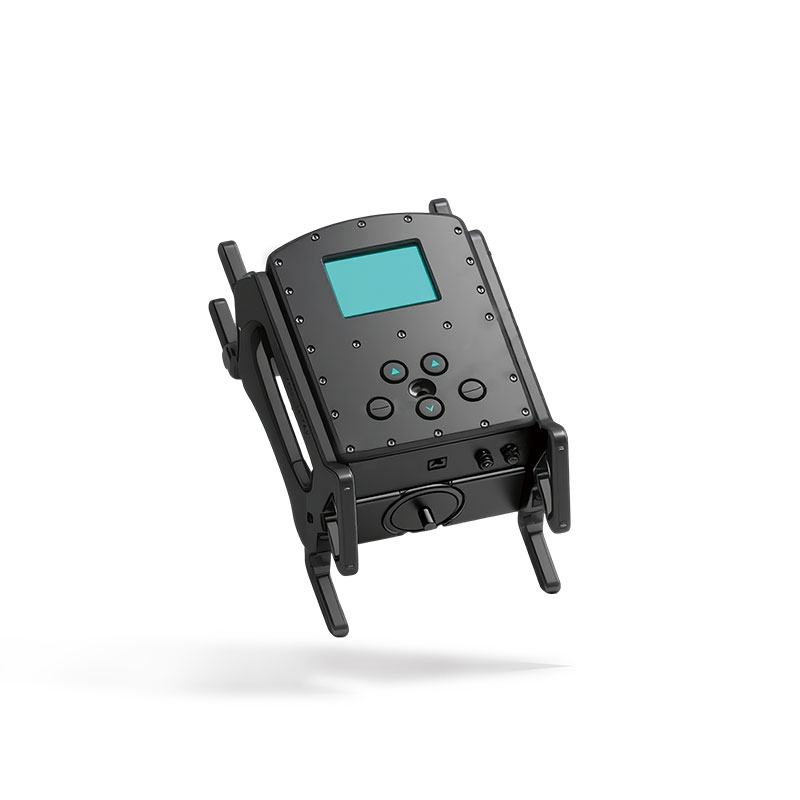 DIVER 104
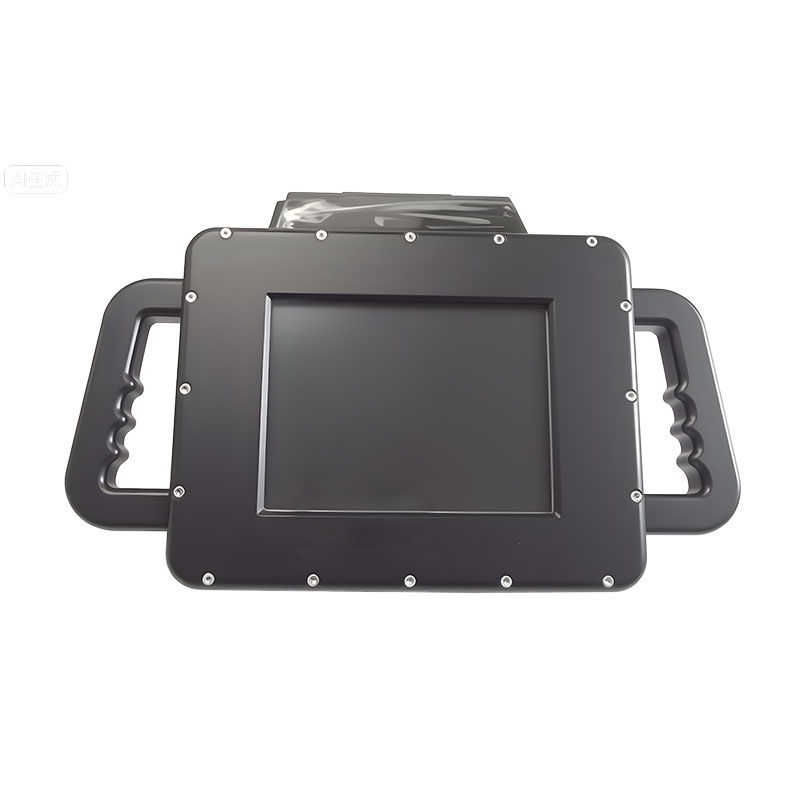 DIVER 105
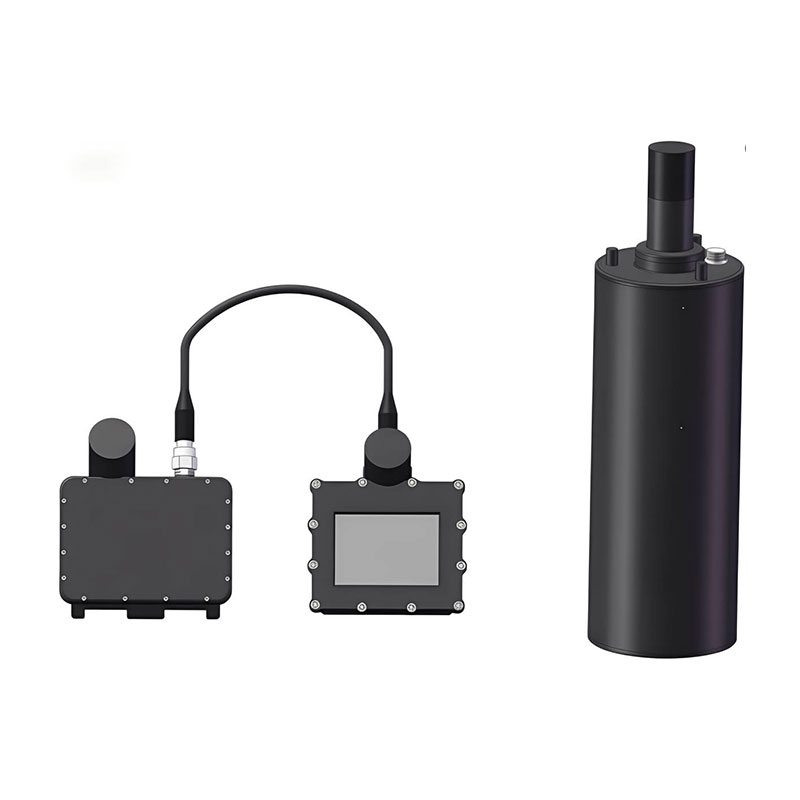 DIVER 106
 SLLR3000
 SLLR905
 SLLD25
 160M
160M 170M
170M SLFC-70
 SLAF280
 MR360
MR360