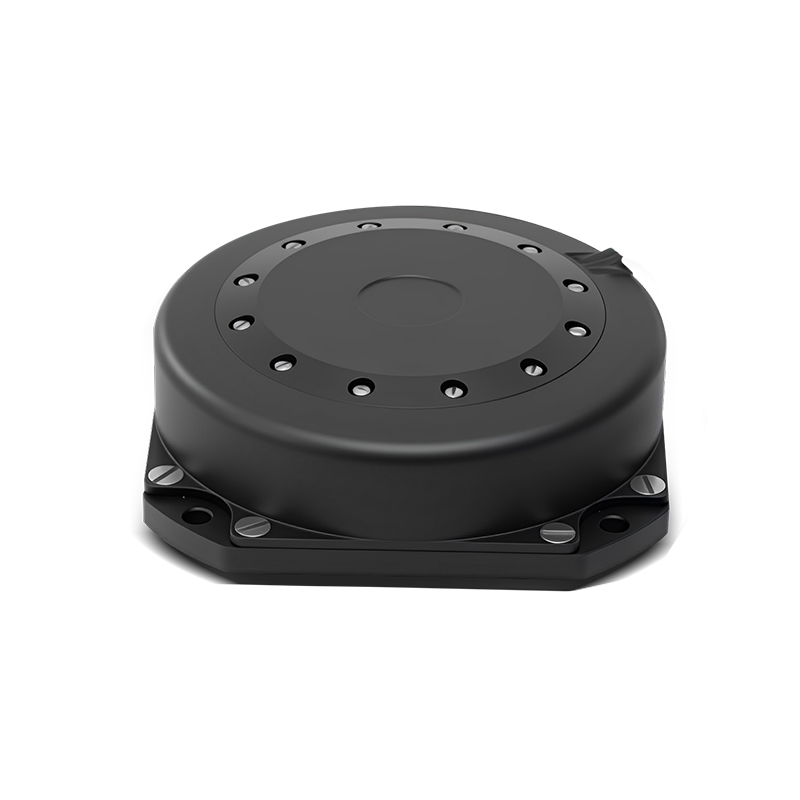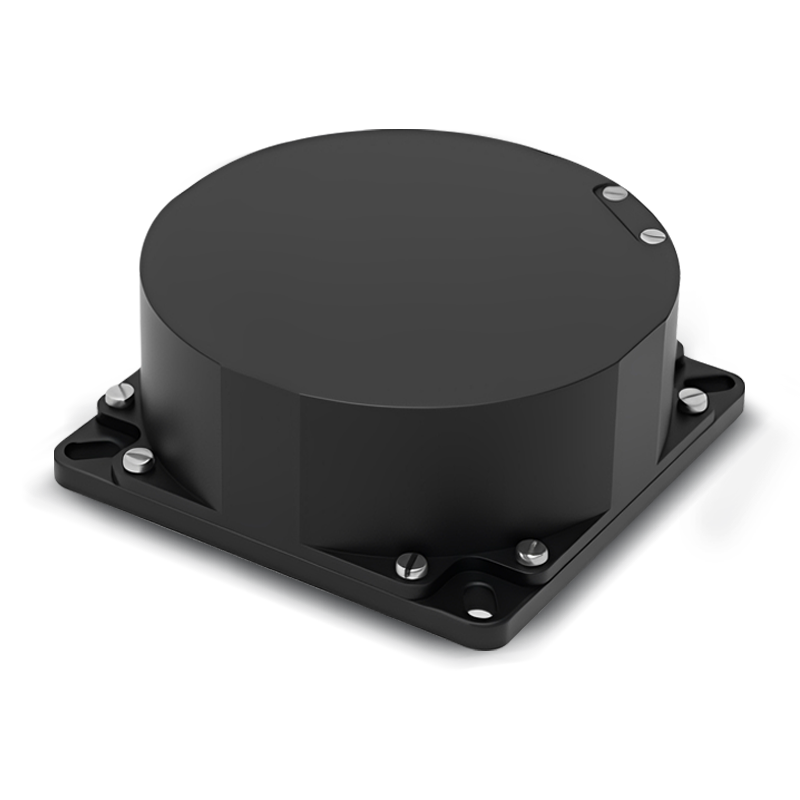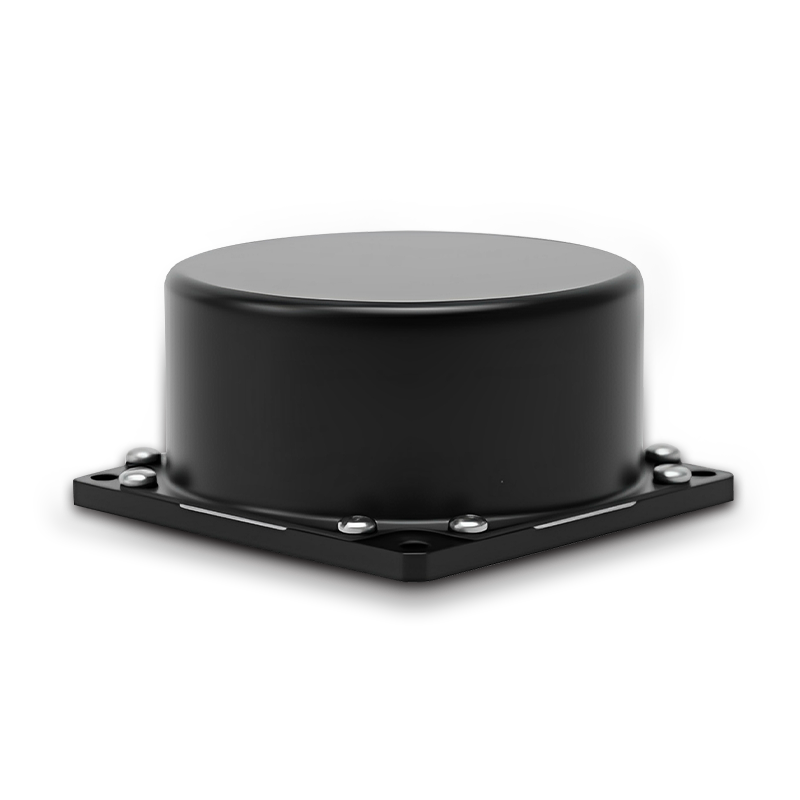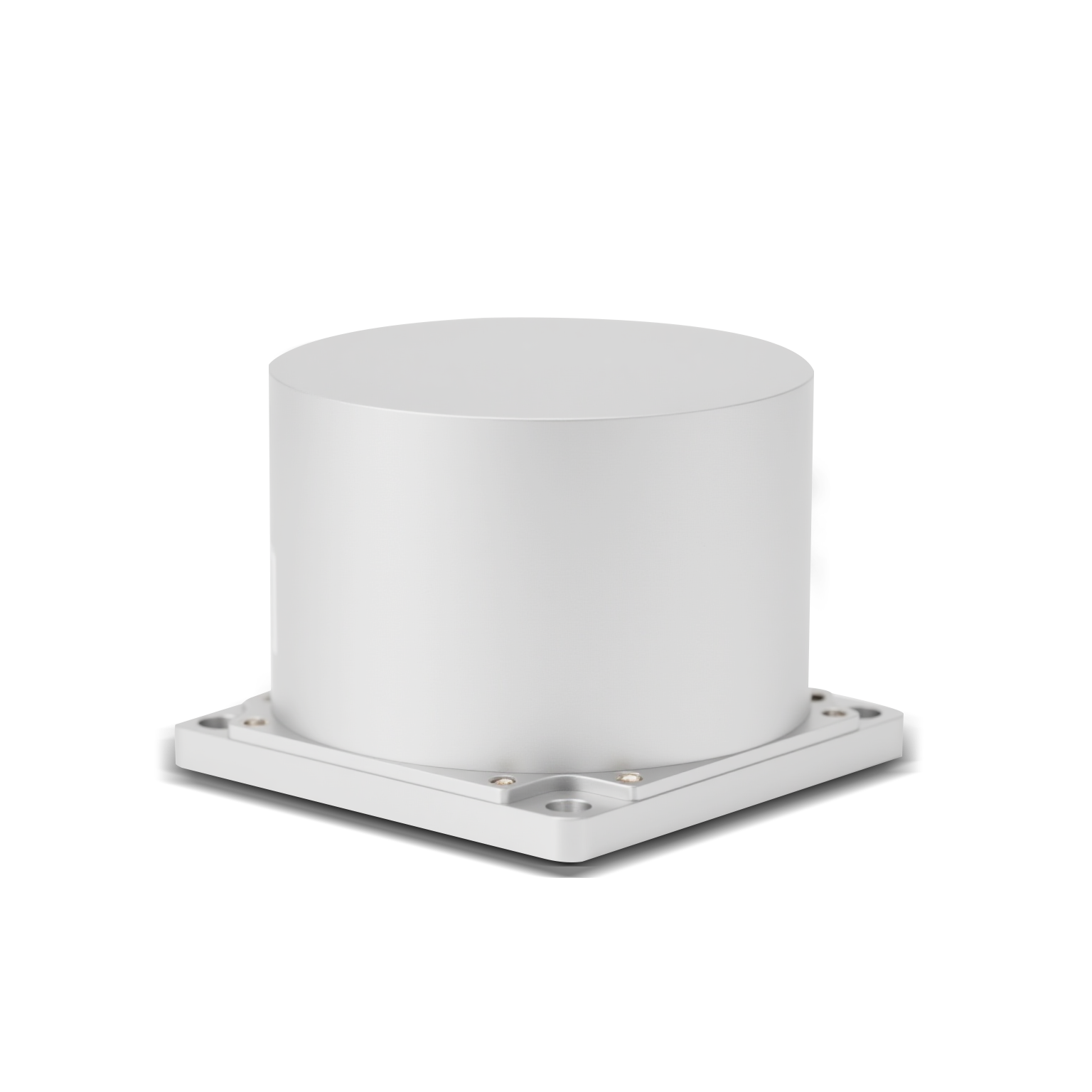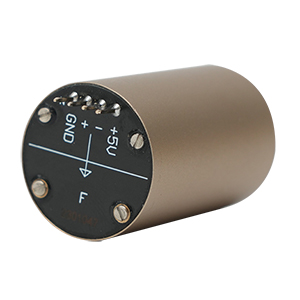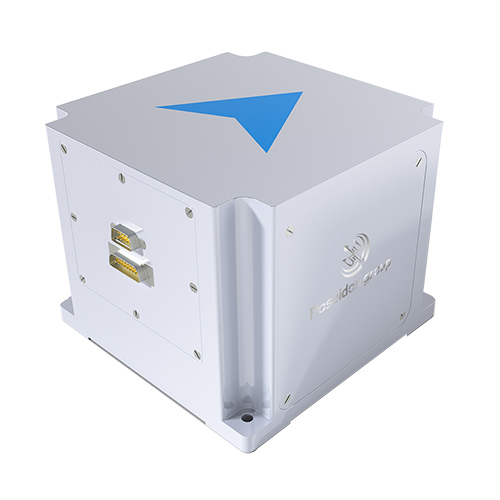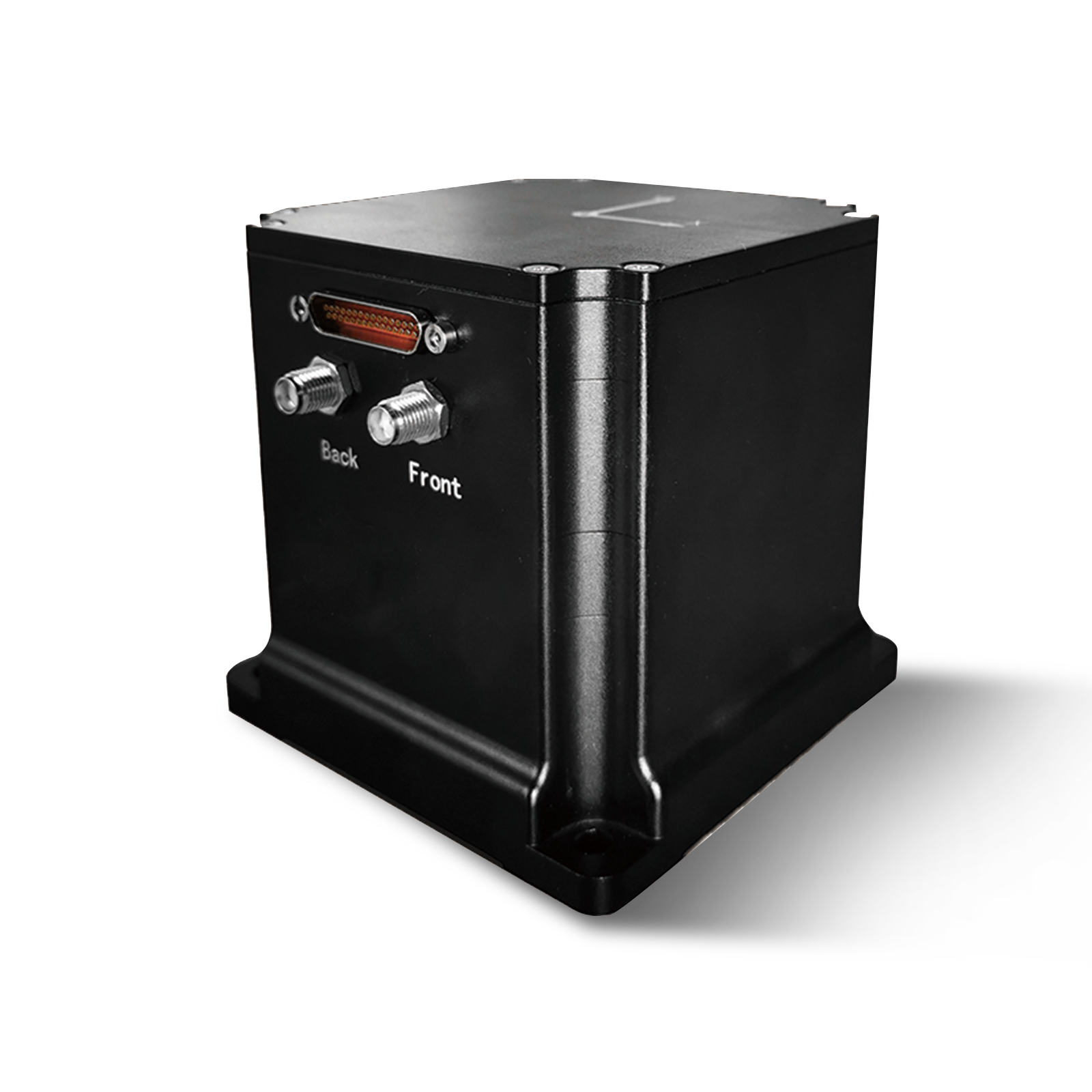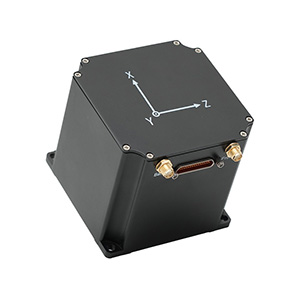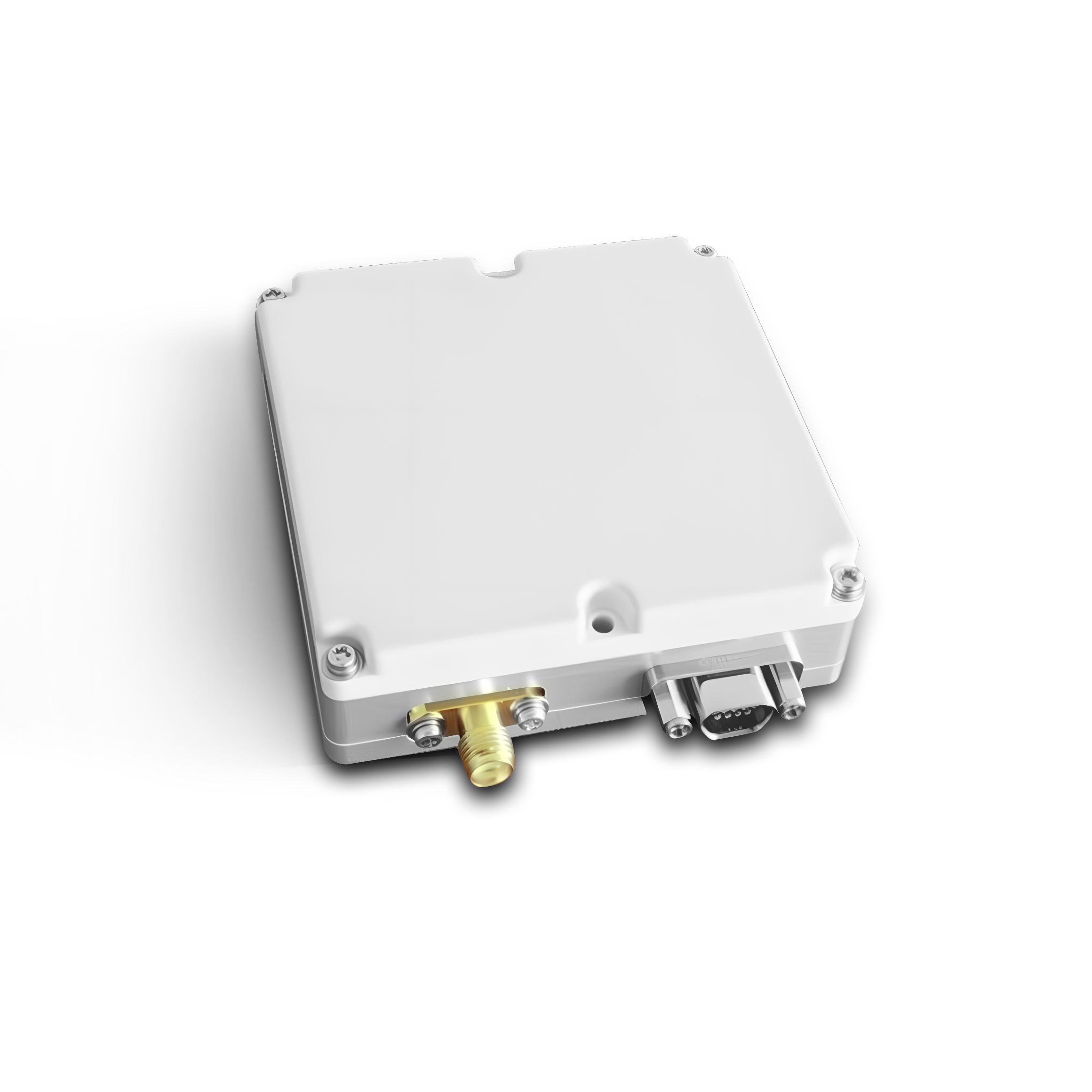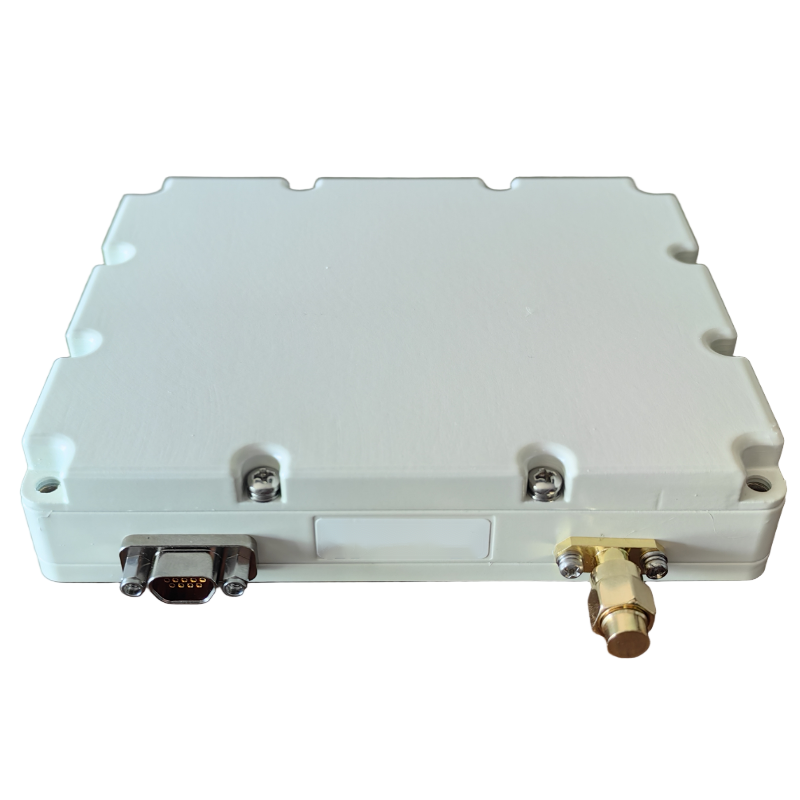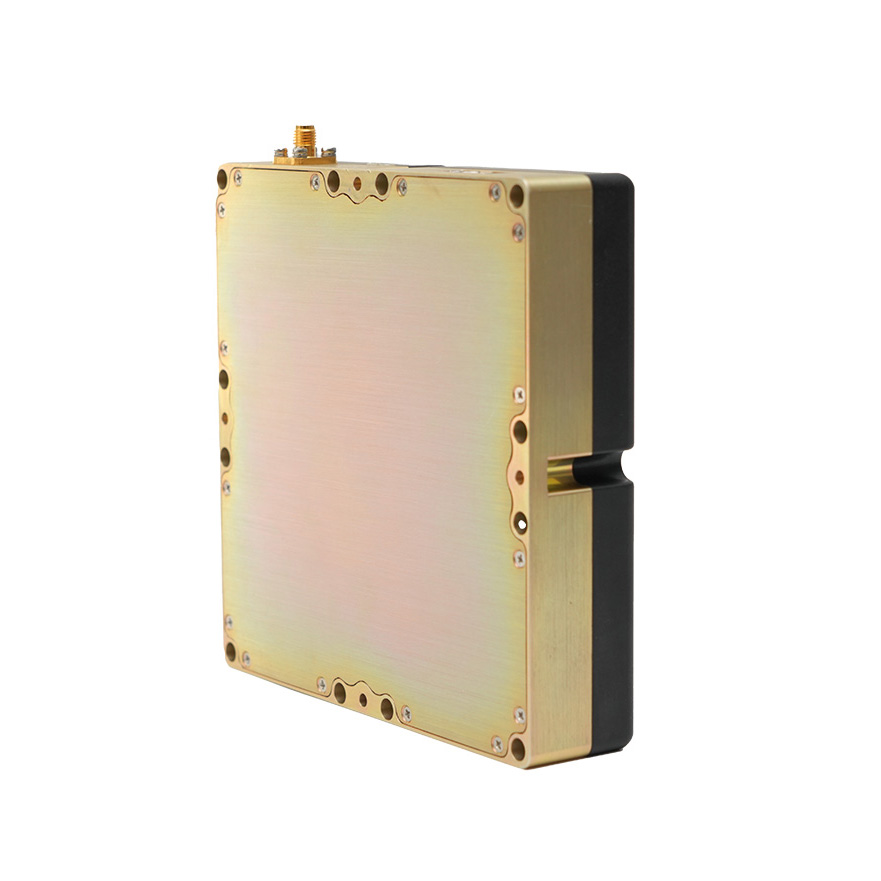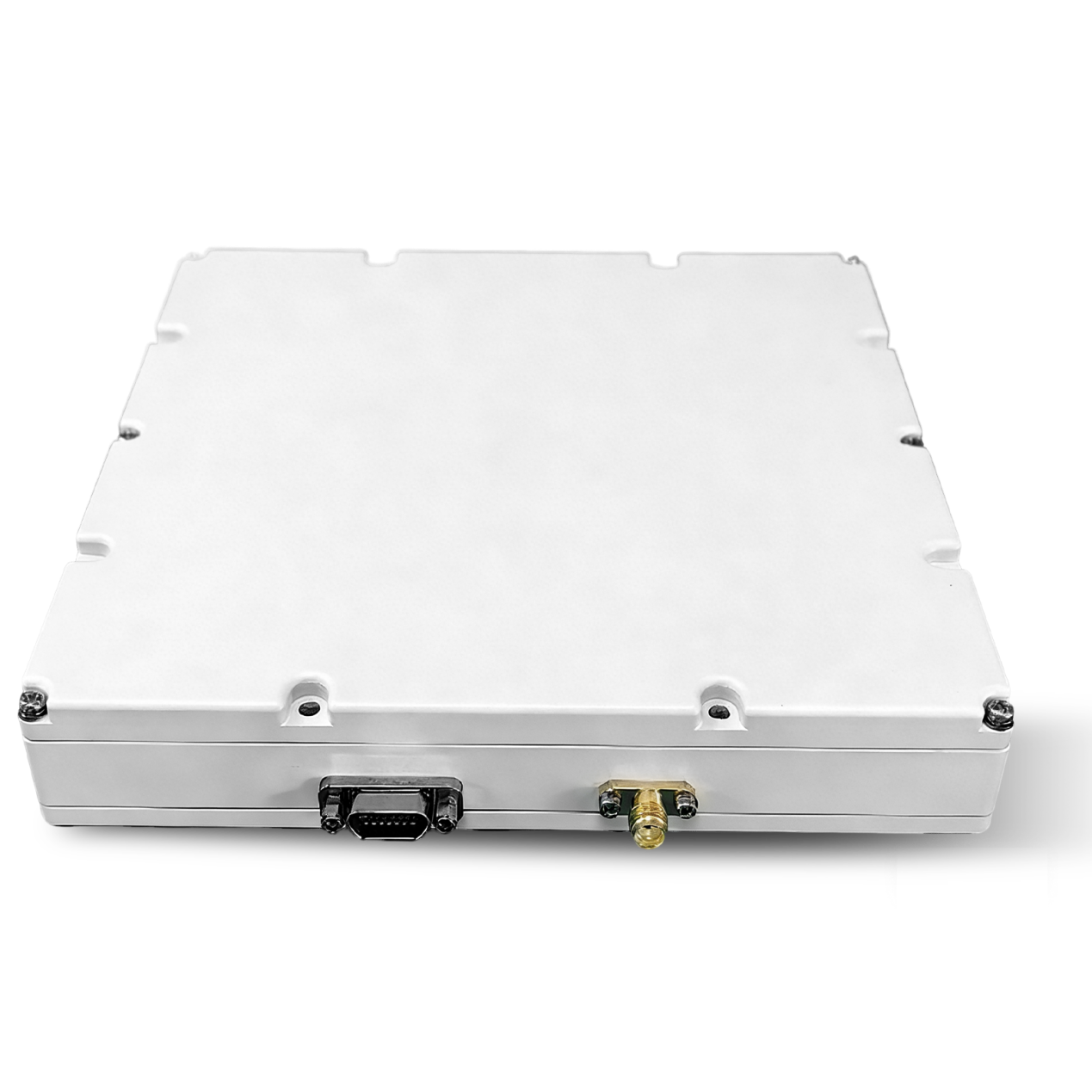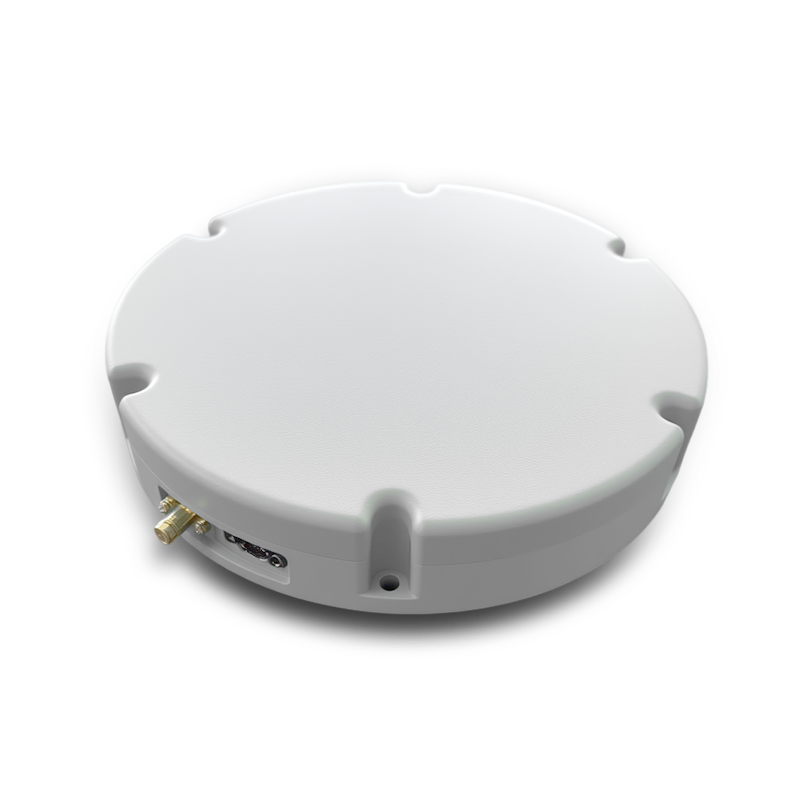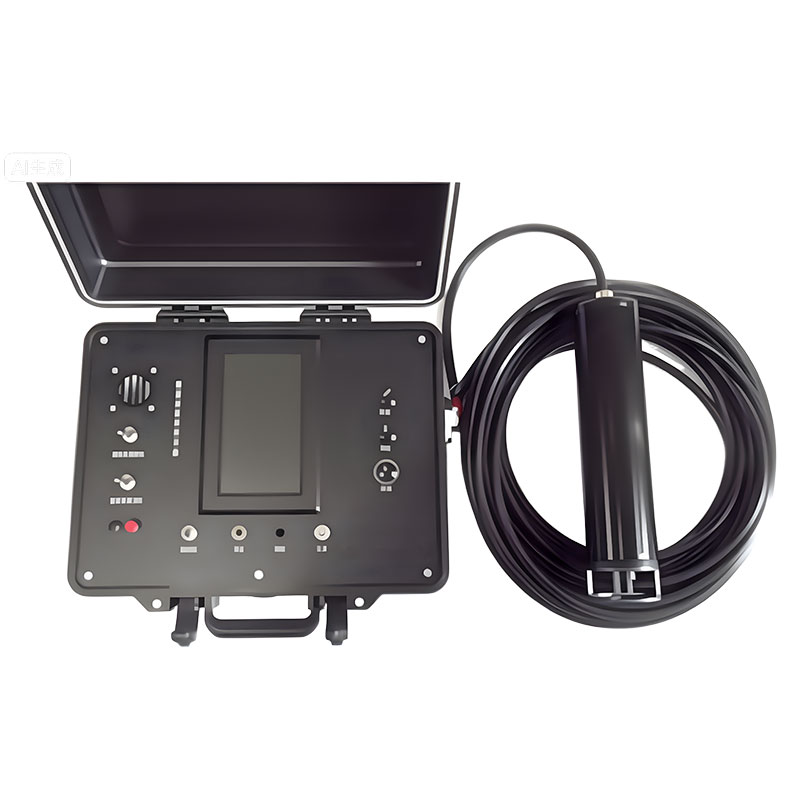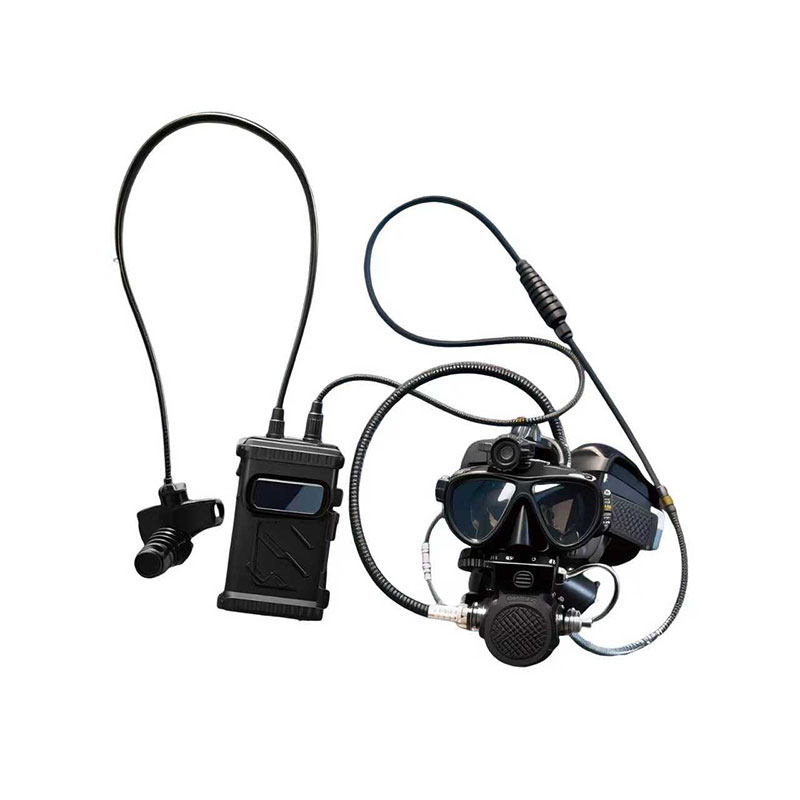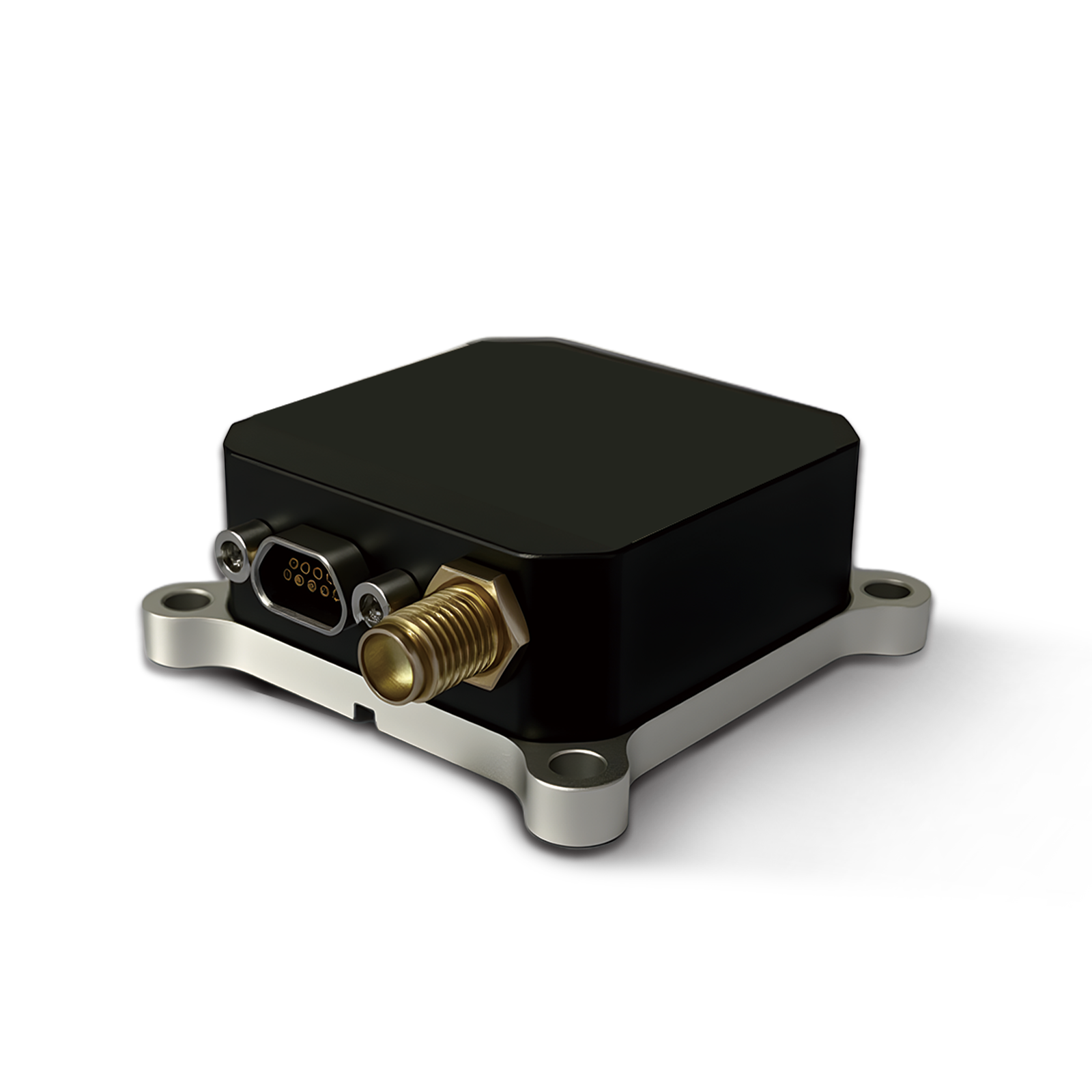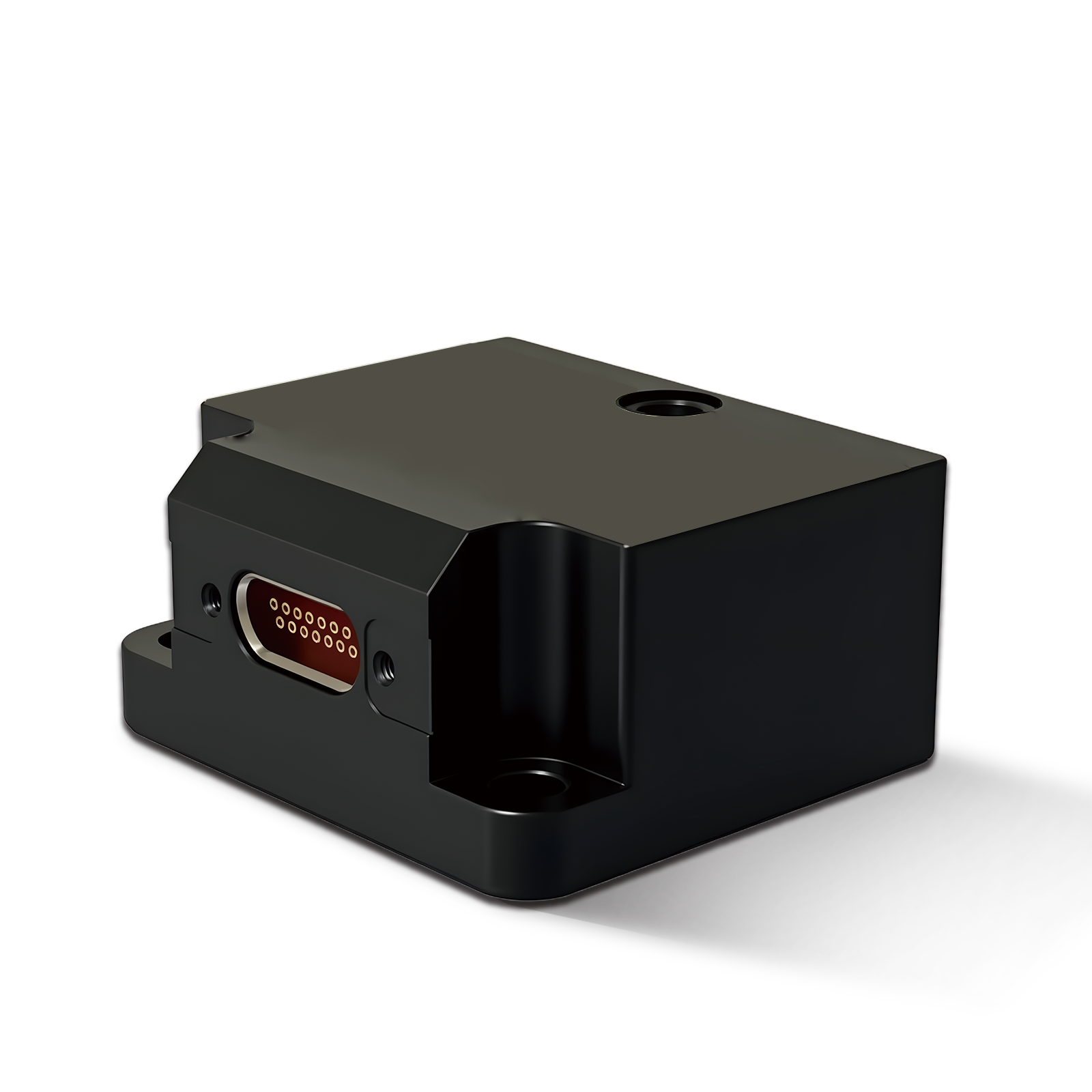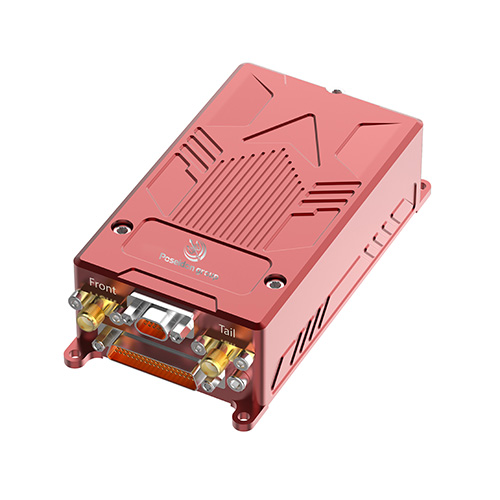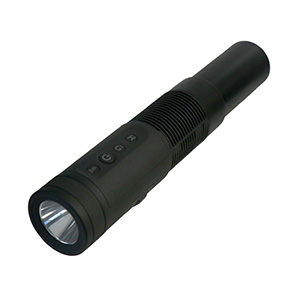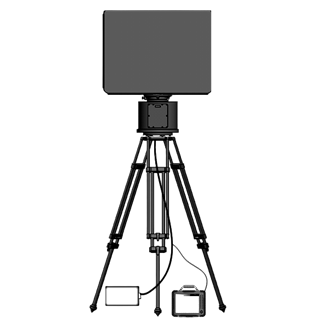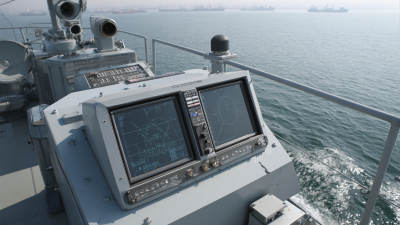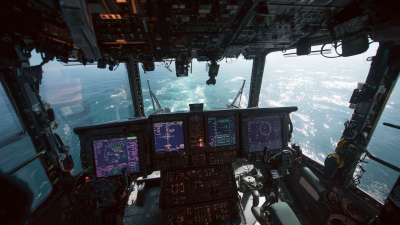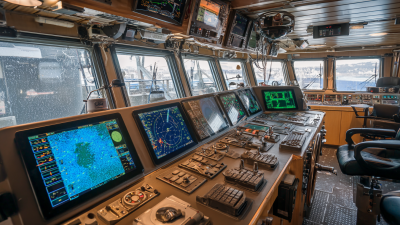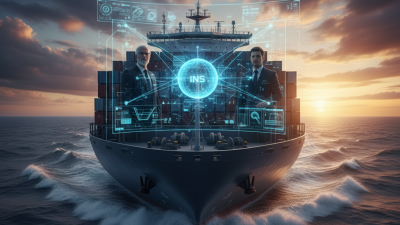
The maritime industry is going through some pretty big changes lately, mostly thanks to advances in navigation tech. Have you heard about the Marine Inertial Navigation System? It’s a game-changer when it comes to running fleets smoothly. In fact, a recent report from Market Research Future suggests that the global market for these systems could hit around $1.2 billion by 2025 — pretty impressive, right? Experts like Dr. James Thorne from Navigational Technologies keep stressing how crucial precise navigation is — saying it’s basically a non-negotiable for safety and efficiency out at sea.
In today’s world, where ships are expected to go faster and safer, this kind of tech really steps up to the plate. These systems are incredibly accurate, even when GPS signals are weak or totally unreliable — which can happen in some tough environments. But, and here’s the thing, relying on this tech isn’t completely stress-free. It requires proper training, and operators need to really understand its limitations. For example, while it helps in planning routes more efficiently, it also means folks at the helm have to stay extra alert to avoid potential issues.
Adding these systems can definitely help save fuel and cut down operational costs, but they’re not perfect — nothing is. Fleet managers need to carefully look at how these systems perform and be mindful of any potential pitfalls. As the technology keeps evolving, staying updated and being ready to adapt is key to really getting the most out of the Marine Inertial Navigation System while keeping risks in check.
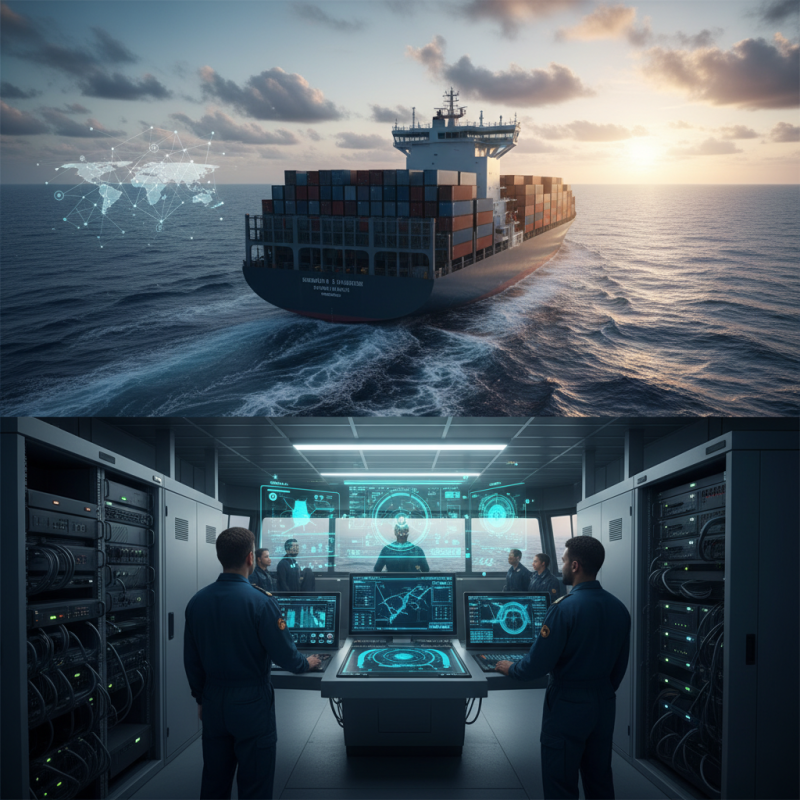
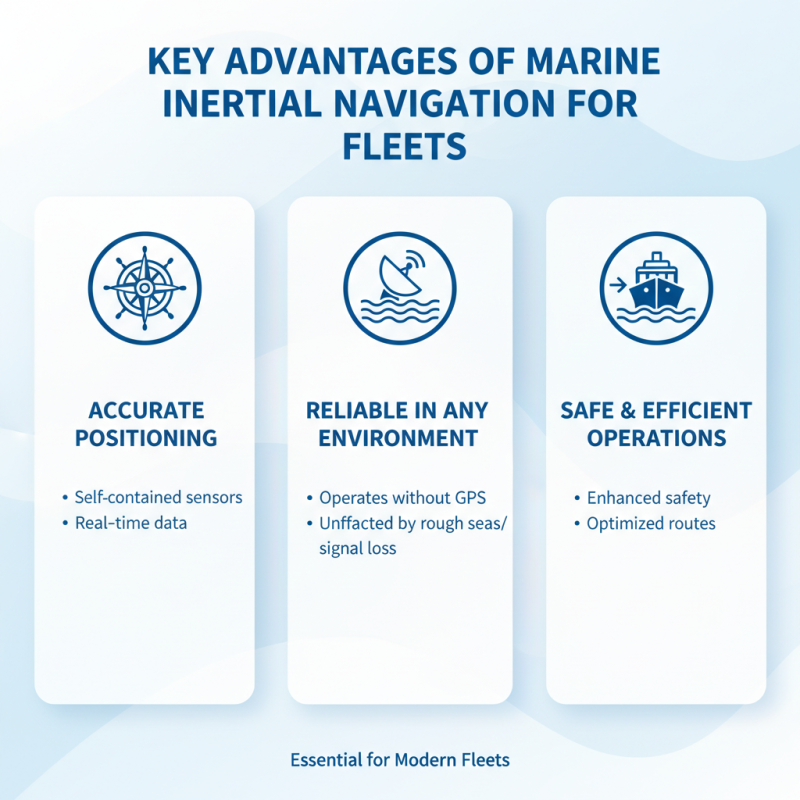
Marine inertial navigation systems (INS) offer precise navigation for vessels. They rely on accelerometers and gyroscopes to track a ship's position. This technology operates independently of external signals. It’s especially useful in environments where GPS may be unreliable, such as deep-sea or polar regions. Marine INS provides continuous and accurate positioning data.
Choosing a marine INS enhances safety and efficiency. It ensures real-time updates on vessel location and movement. This system reduces the risk of maritime accidents caused by navigation errors. Many fleet operators recognize the advantages of consistent and reliable navigation data. Training crews to operate and interpret the data from these systems is crucial for maximizing their benefits.
Tips: Regular maintenance of the INS is essential. Ensure all sensors are calibrated correctly. Operators should also stay updated on technological advancements. They can improve the accuracy and reliability of navigation systems. In a world of constant change, embracing these advancements is key to successful maritime operations. Keep an eye on emerging trends in navigation that could further enhance fleet performance.
Marine inertial navigation systems offer critical advantages for modern fleets. These systems provide accurate positioning and navigational data without relying solely on external references. A key benefit is their ability to function in challenging environments, such as rough seas or poor GPS signal areas. This reliability is essential for ensuring safe and efficient operations.
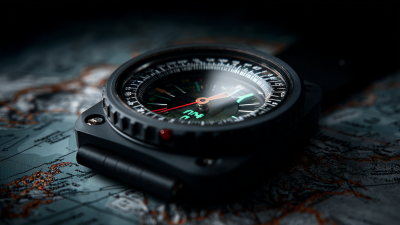
Moreover, using a Gyro Compass Marine system enhances the accuracy of a vessel's route and speed. The inertial navigation system continually updates its position, allowing for real-time adjustments. Fleets can navigate more effectively, reducing the risk of delays. However, this technology is not without its challenges. Installation and maintenance require specialized skills. Additionally, integrating these systems into existing fleet operations might involve a learning curve.
Choosing to adopt a marine inertial navigation system reflects a commitment to improving fleet management. Accuracy and reliability are central to operational success. While there are potential drawbacks, the advantages often outweigh them, making it a worthwhile investment for any maritime operation aiming for greater efficiency.
Marine Inertial Navigation Systems (INS) use advanced technology to provide accurate positioning underwater. These systems rely on sensors to detect motion and orientation. They calculate the vessel's position based on changes in speed and direction over time. This allows for real-time updates, crucial for navigating challenging marine environments.
The operation begins with accelerometers, which measure acceleration in multiple directions. Gyroscopes complement this by tracking rotation. Together, they create a reliable picture of the vessel's movement. Despite their sophistication, occasional drift in measurements can lead to inaccuracies. This is when external references, like GPS, become important. Integrating these systems can enhance reliability.
Navigating through rough waters or in low-visibility conditions can be daunting. An INS offers a significant advantage in such scenarios. However, operators must understand its limitations and ensure regular calibration. Due to the complexity of ocean environments, constant evaluation of data accuracy is essential. Regular training for crew members further boosts confidence in using Marine INS effectively.
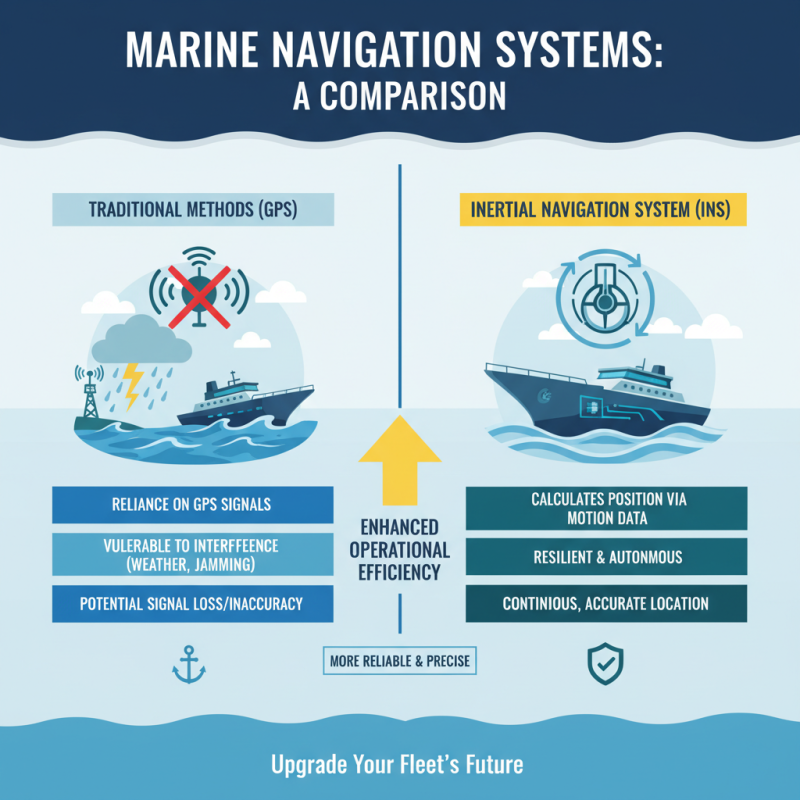
Choosing a marine inertial navigation system can significantly enhance a fleet's operational efficiency. When comparing it with traditional navigation methods, the differences become apparent. Traditional systems often rely on GPS signals, which can be disrupted by environmental conditions. In contrast, inertial navigation is more resilient. It calculates position based on motion data, providing a continuous stream of accurate location information.
Another point to consider is the Integrated Marine Surveying Component. This feature allows for seamless integration of navigation with surveying tasks, providing real-time data crucial for decision-making. This aspect can save time and resources. However, implementing such technology does require initial investment and training. Misunderstanding these systems can lead to operational inefficiencies.
While traditional methods can be familiar, they may lack the precision and reliability of newer technologies. Navigators using older systems sometimes face challenges in complex marine environments. Adapting to advanced navigation systems may take time and training, but the benefits often outweigh these difficulties.
In maritime operations, an Inertial Navigation System (INS) provides accurate positioning without relying on external signals. This is crucial for navigating through challenging environments. Inertial systems work by calculating the vessel's position based on its acceleration and rotation. They are resilient to interference, making them suitable for military and rescue missions.
The applications of INS are diverse. For offshore oil drilling, precise positioning helps prevent costly mistakes. In busy shipping corridors, accurate navigation prevents collisions. According to experts, using an Inertial Navigation System enhances safety and operational efficiency. Crews can trust the data provided by the system even in rough conditions.
Despite the benefits, there are challenges. Systems can drift over time, leading to inaccuracies. Regular calibrations and updates are necessary. Balancing technology and human skill remains essential. Understanding these nuances ensures optimal usage of the Inertial Navigation System in maritime fleets.
In recent years, marine inertial navigation systems (INS) have gained traction for their cost-effectiveness in vessel operations. A report from the International Association of Marine Navigators highlights that these systems can reduce operational costs by up to 20%. This reduction is primarily due to their high accuracy in positioning, which minimizes the need for traditional navigation aids. INS uses advanced algorithms and sensors to deliver precise data, even in challenging conditions.
The initial investment for an INS may seem high. However, over time, savings from reduced fuel consumption and maintenance create significant value. For instance, a study from the Marine Technology Society noted the potential for a 15% decrease in fuel costs alone when using an inertial navigation system. Moreover, as vessels are able to navigate more efficiently, there is less wear and tear on machinery, leading to lower maintenance expenses.
However, reliance on these systems isn't entirely without risk. Some users report challenges in data integration with existing systems. Technology often evolves faster than crew training, creating a learning curve. Regular updates and proper training can address these issues, ensuring that the technology is used to its full potential. Balancing cost-effectiveness with operational reliability remains a critical consideration for fleet operators.
Marine inertial navigation systems are evolving rapidly. As the maritime industry embraces digital transformation, the need for precision and reliability increases. A recent report by the International Maritime Organization highlights that over 70% of maritime accidents stem from navigation errors. This statistic underscores the importance of adopting advanced technologies, including inertial navigation, to enhance safety and operational efficiency.
Future trends indicate a shift towards integrating artificial intelligence and machine learning with inertial navigation systems. These advancements promise to improve accuracy significantly. According to a market analysis from Research and Markets, the marine inertial navigation market is projected to reach $2.3 billion by 2026, reflecting a compound annual growth rate of 5.1%. This growth is fueled by the increasing demand for sophisticated navigation solutions, especially in autonomous vessels. However, the complexity of integrating new technologies poses challenges. Companies must navigate these hurdles carefully to avoid potential oversights.
The industry's shift towards more innovative solutions raises questions about infrastructure and training. As capabilities expand, there is a pressing need for skilled professionals who understand these systems, including the Inertial Navigation System Uav. The transition may not be seamless; organizations need to invest in proper training and infrastructure to counterbalance these advancements. Balancing innovation with practical implementation remains a critical focus as marine navigation technology evolves.
: An INS provides accurate underwater positioning using sensors to detect motion and orientation.
It calculates position based on changes in speed and direction over time.
Accelerometers measure acceleration, while gyroscopes track rotation, creating a picture of movement.
Inaccuracies can occur due to occasional drift in measurements during operation.
Integrating GPS or other references can improve accuracy in positioning.
Operators must understand limitations and ensure regular calibration for accuracy.
They provide reliable navigation in challenging environments, enhancing safety and efficiency.
Future trends include integrating artificial intelligence and machine learning for improved accuracy.
The complexity of integrating new technologies presents challenges for operators and organizations.
Training boosts confidence and ensures optimal usage of the system in complex navigation scenarios.
The article discusses the significance of implementing a Marine Inertial Navigation System for maritime fleets. It begins by explaining the fundamentals of these systems and highlights their key advantages, such as enhanced accuracy and reliability in navigation compared to traditional methods. The workings of marine inertial navigation are elaborated upon, detailing how they integrate various sensors to provide continuous positioning even in challenging environments.
Additionally, the article explores the applications of inertial navigation in various maritime operations and examines the cost-effectiveness of these systems, making a compelling case for their adoption. Lastly, it touches upon future trends in marine inertial navigation technology, emphasizing the ongoing advancements that promise to further improve navigational accuracy and efficiency for maritime fleets. Overall, the Marine Inertial Navigation System stands out as a vital tool for modern maritime operations.