 TBSD60
 BSD120
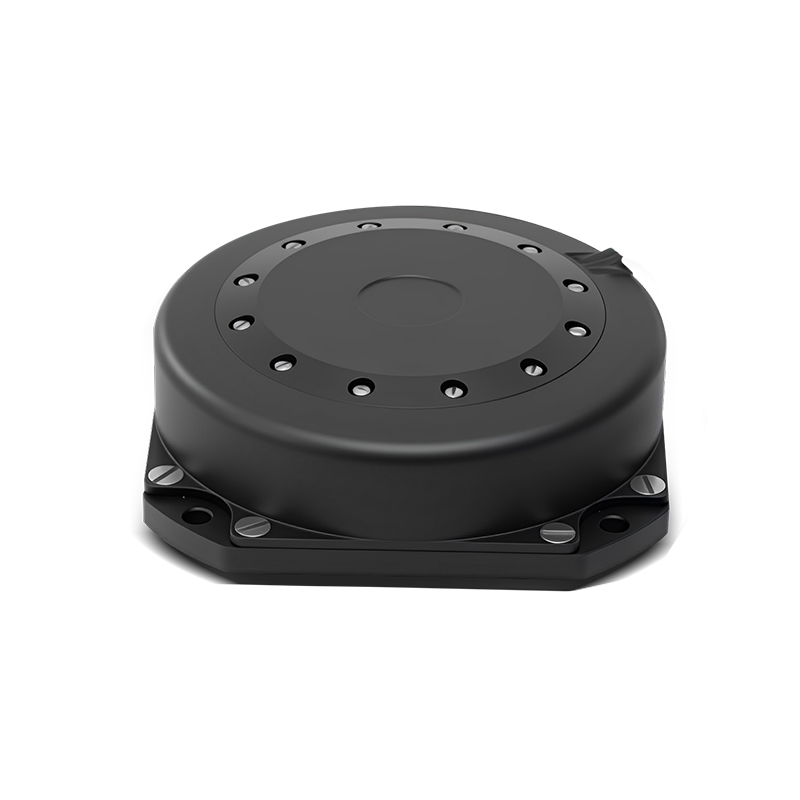 BSD98
BSD98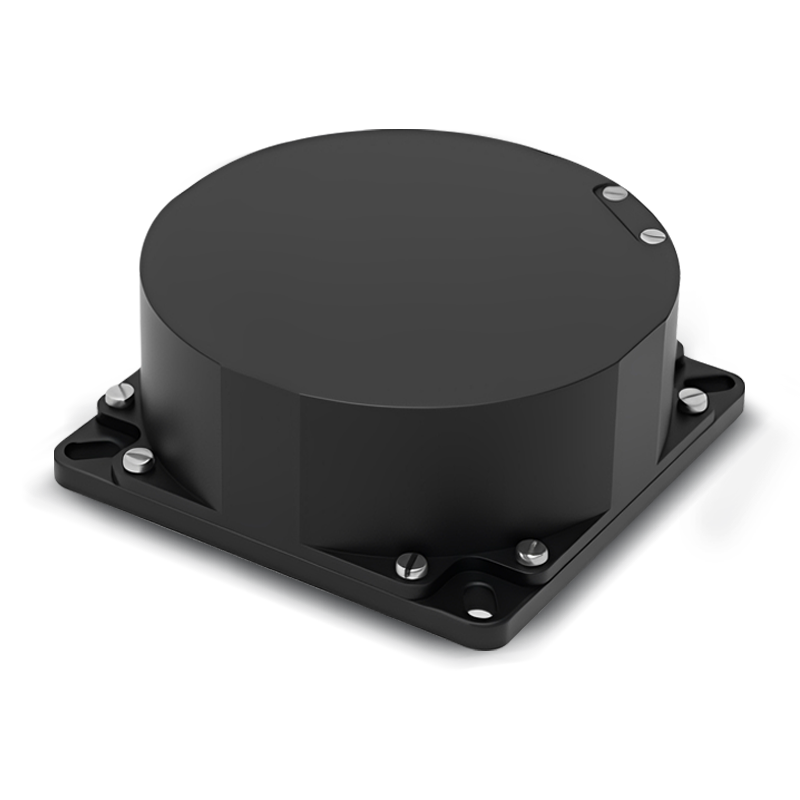 BSD70
BSD70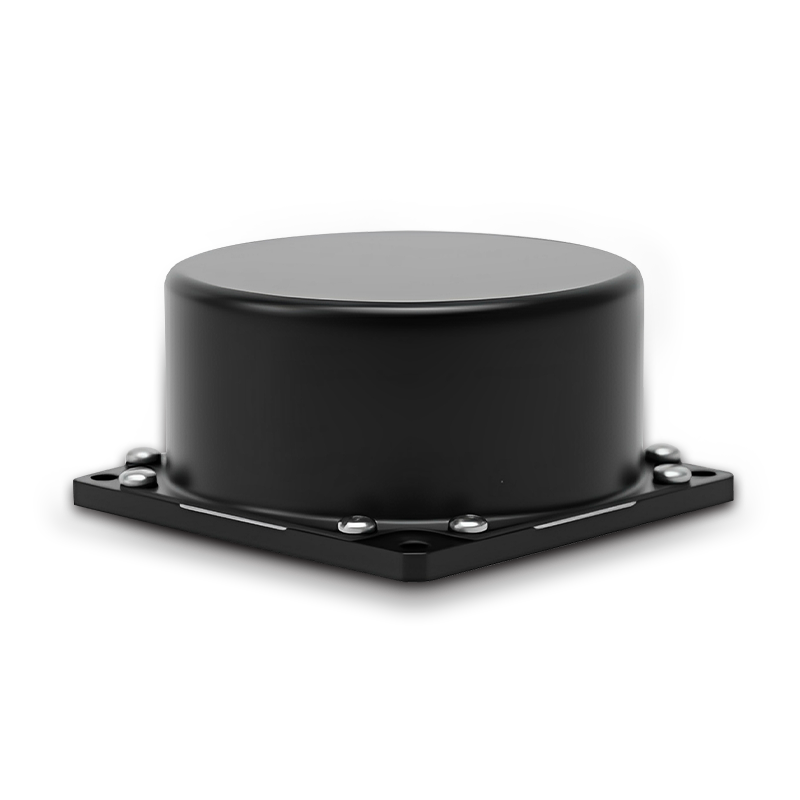 BSD60
BSD60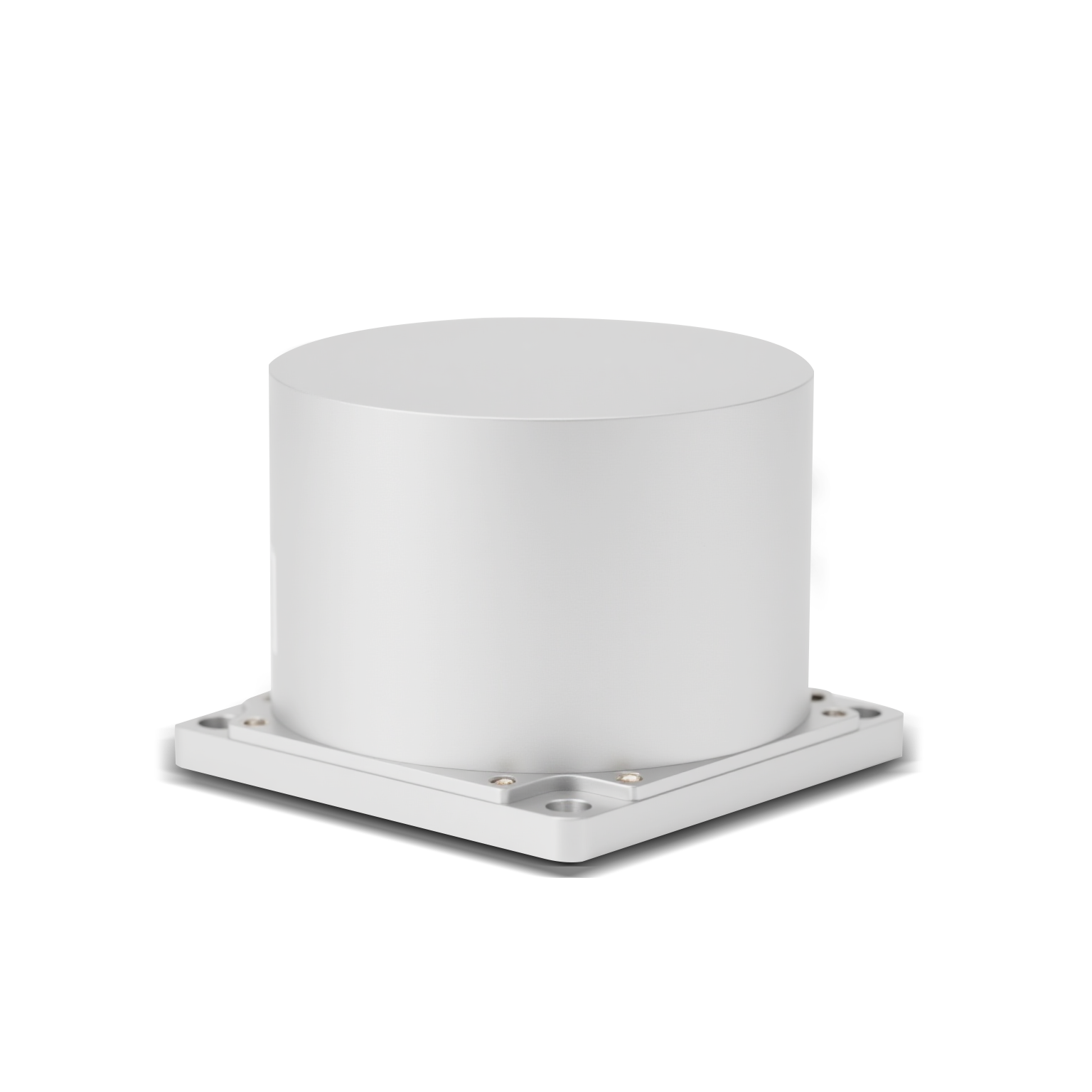 BSD50
BSD50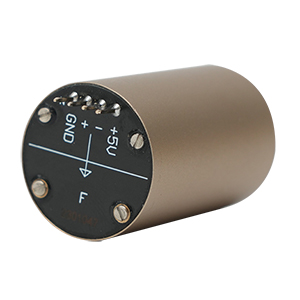 BSD217
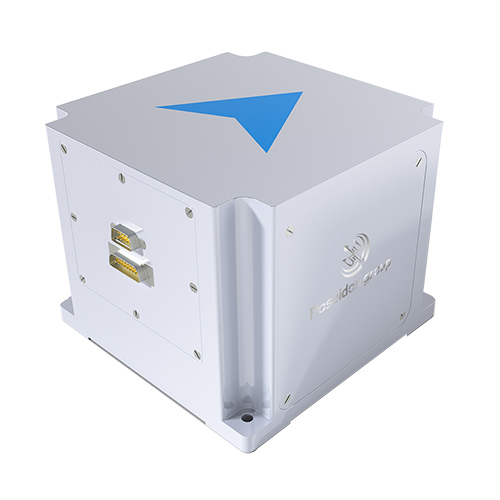 INS1700
 INS970
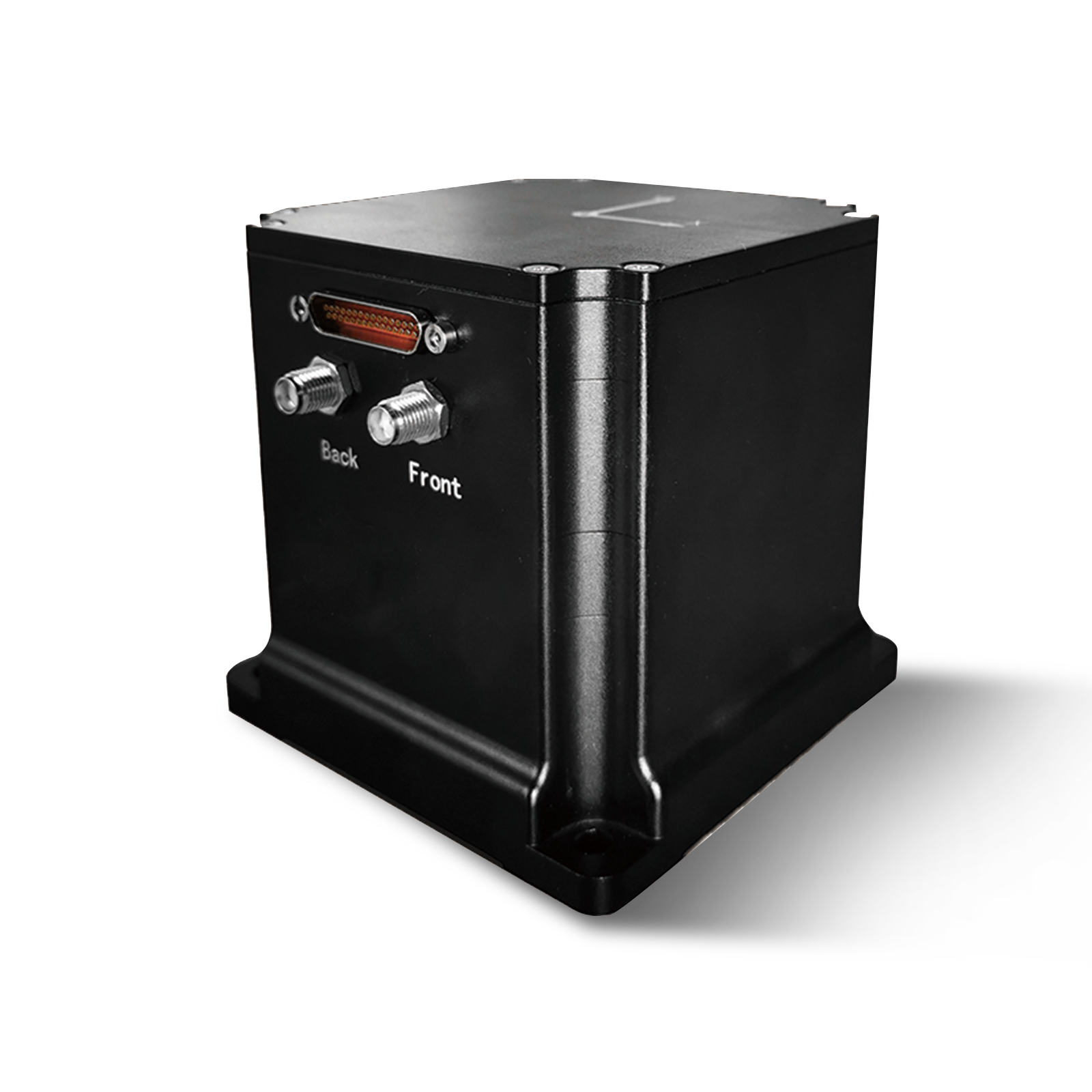 INS570
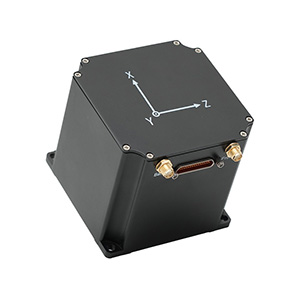 INS170
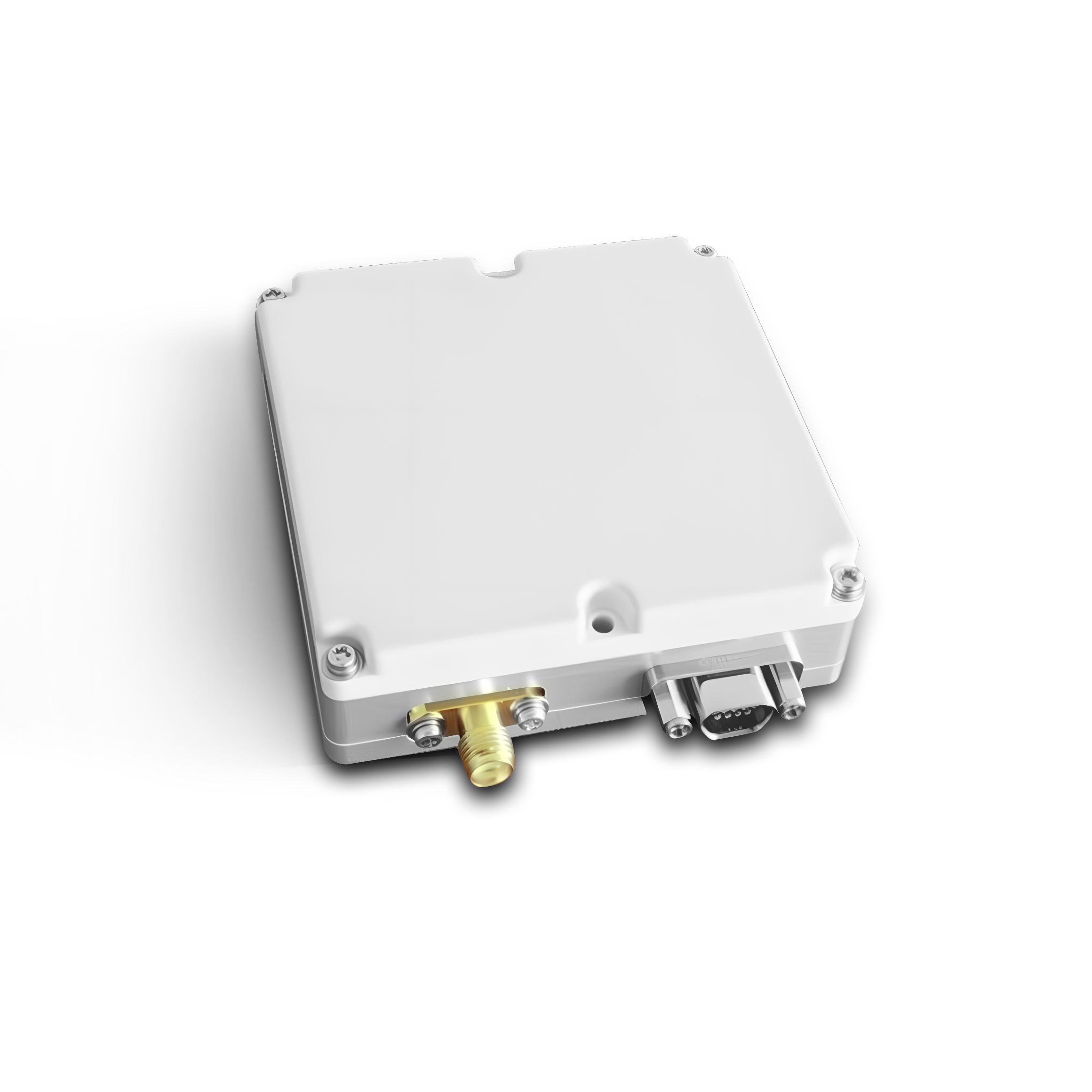 SLA-4B1L1-65
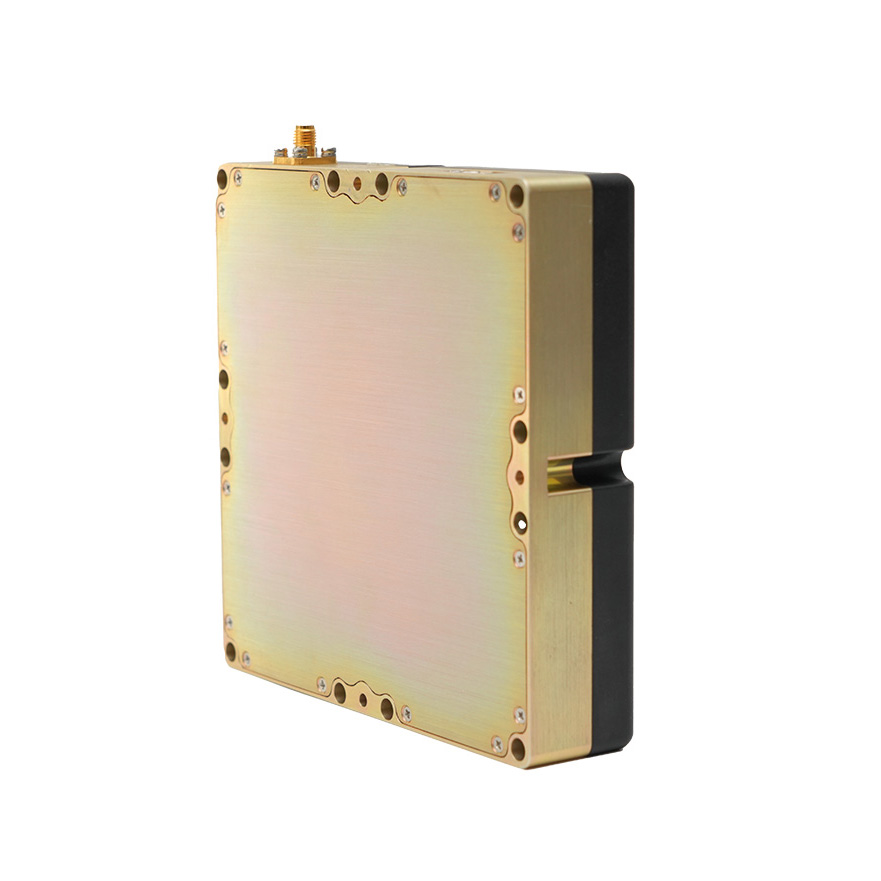 SLA-4B1L1-130
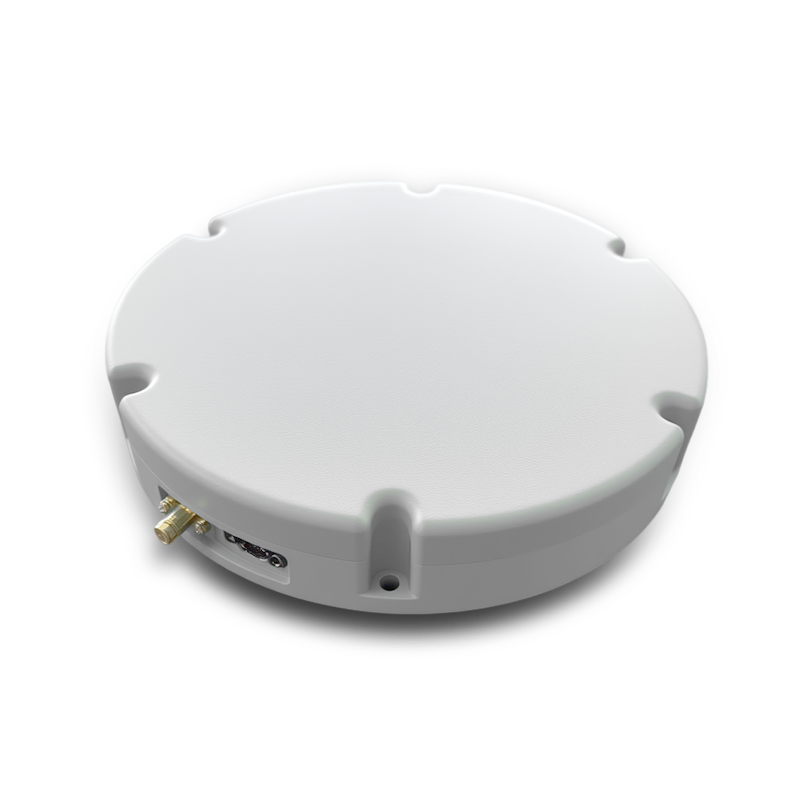 SLA-8B1L1-165
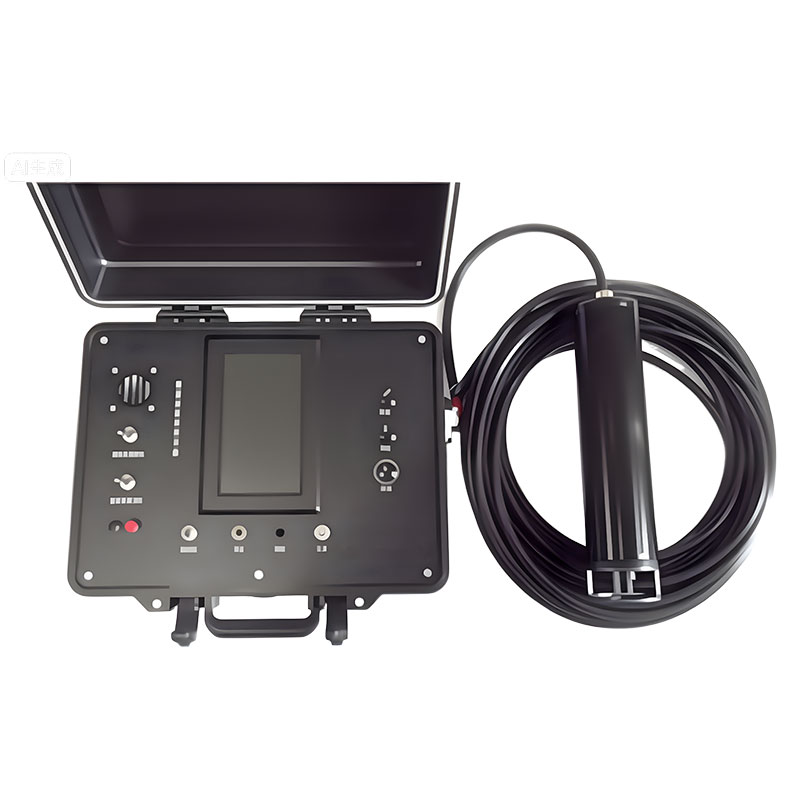 DIVER 101
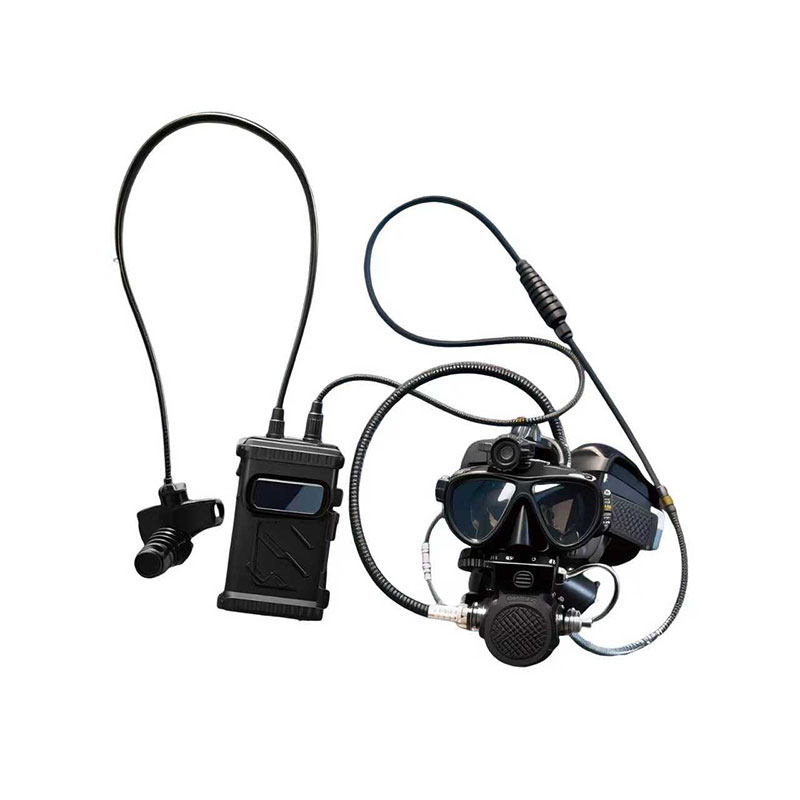 DIVER 102
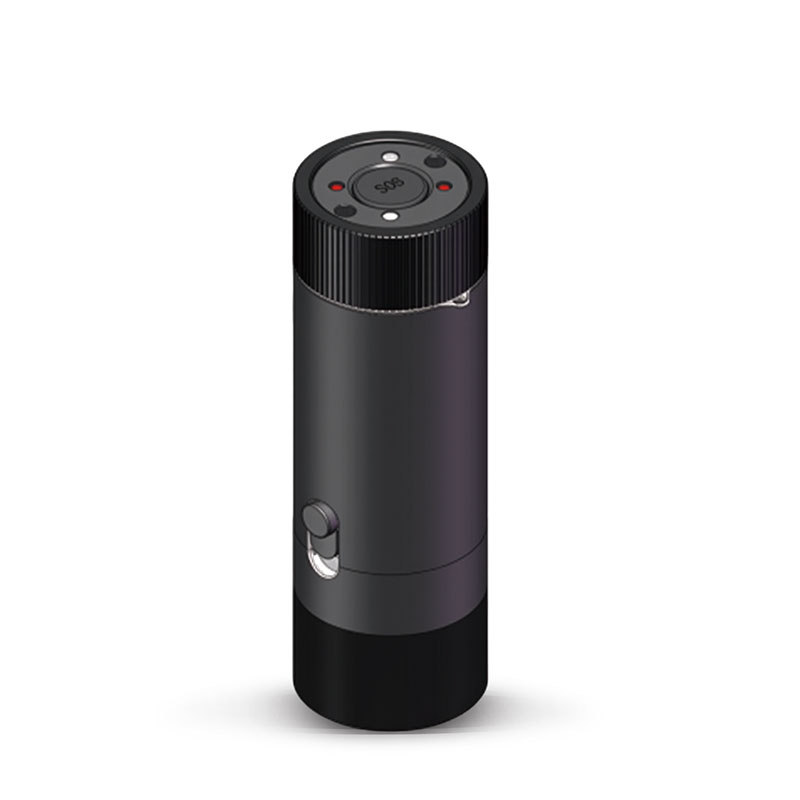 DIVER 103
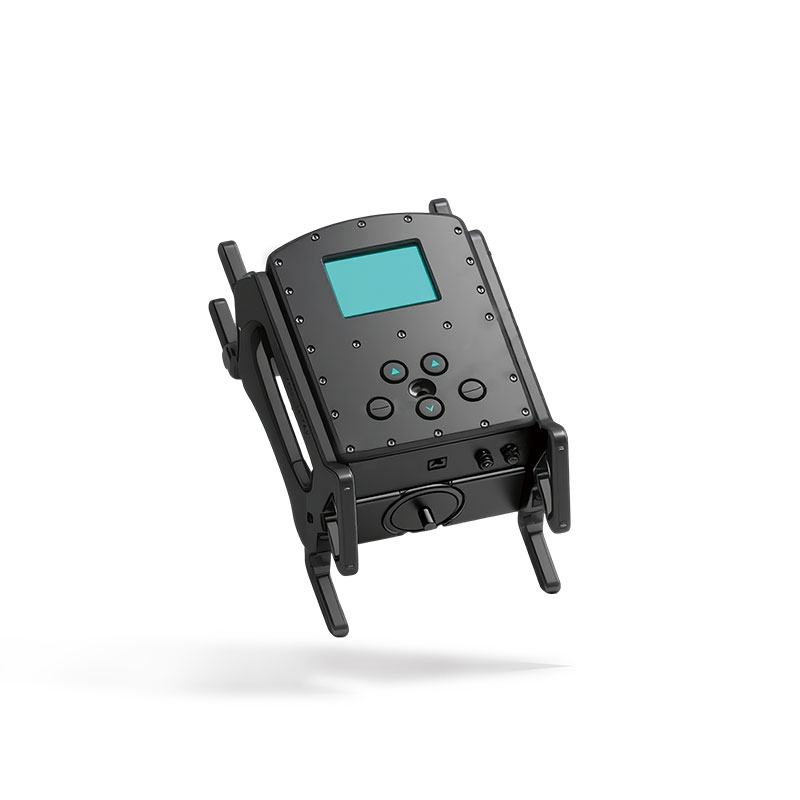 DIVER 104
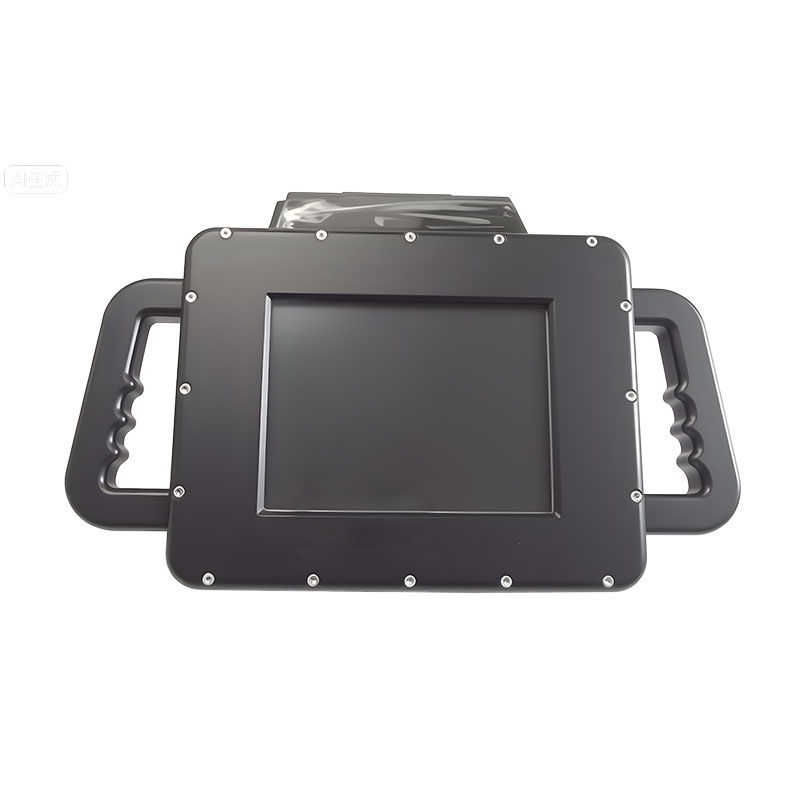 DIVER 105
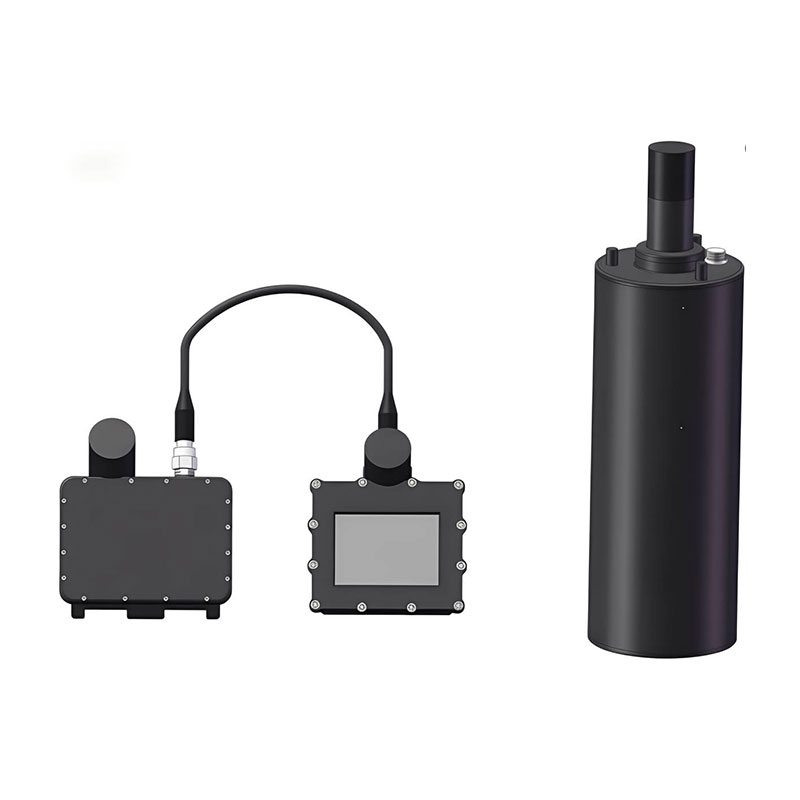 DIVER 106
 SLLR3000
 SLLR905
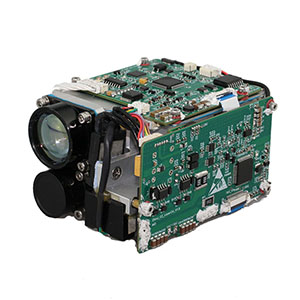 SLLD25
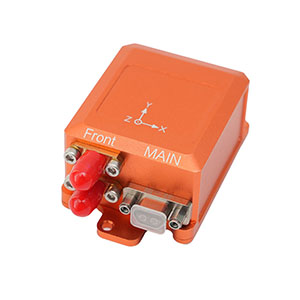 160M
160M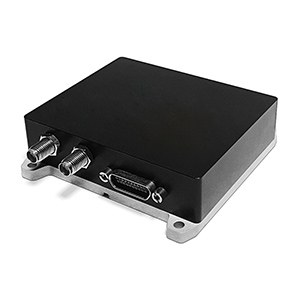 170M
170M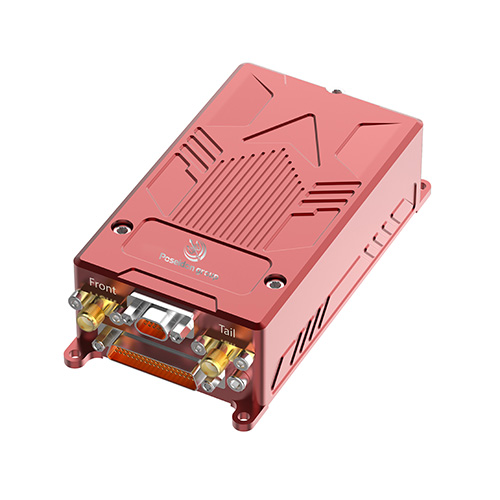 SLFC-70
 SLAF280
 MR360
MR360
Leave Your Message
Picking the right Optical Fiber Gyroscope (OFG) for your navigation needs isn’t really something to take lightly. It’s pretty important if you want your system to perform accurately across different applications. These days, thanks to all the tech breakthroughs, the market’s packed with a variety of OFGs, each tailored for specific uses. So, as you’re figuring out which one is best for you, it helps to understand the basics—what each type does and what features they offer. Think of this guide as your little roadmap to help you sort through all the options and find that perfect fit for your unique needs.
A bit about us—Poseidon International Group started back in 2013, and we’ve been all about researching, designing, and making high-quality fiber optic gyroscopes and inertial navigation systems. We’re pretty proud of our innovative spirit—so much so that we’ve got several patents under our belt, really setting us apart in the industry.
Thanks to our expertise and state-of-the-art manufacturing setup, we deliver reliable, cutting-edge solutions that boost navigation accuracy and boost your system’s independence. In this post, I’ll walk you through the key things to keep in mind when choosing a good Optical Fiber Gyroscope—so you can make a smart, well-informed choice that’s right for your specific navigation projects.
When selecting the best optical fiber gyroscope (OFG) for navigation purposes, it is essential to evaluate several key features. One of the most critical parameters is the Angle Random Walk (ARW), which serves as an indicator of the gyroscope's inherent noise characteristics. A low ARW contributes to improved accuracy in navigation, particularly in dynamic environments. Recent advancements highlight the potential for achieving sub-shot noise precision, underscoring the importance of optimized operational settings to minimize signal loss. Studies suggest that high-performance IFOGs can significantly enhance navigation accuracy by addressing these noise factors, which are paramount in applications ranging from autonomous vehicles to aerospace systems.
Moreover, thermal stability is another vital feature when choosing an OFG. This factor becomes increasingly important in varied environmental conditions, which can affect gyroscope performance. The introduction of navigation-grade interferometric air-core OFGs with enhanced thermal stability represents a significant leap in the reliability of navigation systems. These developments ensure that the gyroscope maintains precise readings, thus supporting critical applications in healthcare, sports, and transportation sectors. As the industry moves forward, the integration of advanced OFG technologies will likely redefine standard practices in inertial measurement units, offering superior performance for complex navigation tasks.
| Feature | Description | Importance Level | Typical Range |
|---|---|---|---|
| Angular Rate Range | The range of angular velocities the gyroscope can accurately measure. | High | ±100°/s to ±1000°/s |
| Bias Stability | The ability of the gyroscope to maintain a constant output when there is no rotation. | Very High | |
| Angular Random Walk | The degree of error introduced over time due to various noise sources. | High | 0.02°/√h to 0.1°/√h |
| Temperature Range | The range of temperatures in which the gyroscope can operate effectively. | Medium | -40°C to +85°C |
| Size and Weight | The dimensions and weight of the gyroscope, affecting its application in various systems. | Medium | 50g to 500g |
The Poseidon INS170 High-Precision Integrated Navigation System represents a significant advancement in navigation technology, specifically by combining state-of-the-art fiber optic gyroscopes (FOG) and MEMS accelerometers within a single framework. This cutting-edge system operates alongside multi-system satellite navigation networks, including GPS, BDS, GLONASS, and Galileo, ensuring that users receive unparalleled accuracy and reliability in their navigation tasks. With real-time data outputs such as heading, attitude, speed, position, angular rate, and acceleration, the INS170 guarantees seamless navigation in various environments, from bustling urban settings to remote wilderness.
Moreover, the compact design and low power consumption of the INS170 make it an exceptional choice for a wide range of applications. Its ability to integrate with external sensors like odometers, Doppler Velocity Log (DVL), and Ultra Short Base Line (USBL) further enhances its versatility. Ideal for vehicle navigation, marine applications, aerospace, UAV operations, and engineering surveying, the INS170 is engineered to meet the demands of challenging environments. Its multi-mode navigation capabilities and centimeter-level positioning precision distinguish it as a reliable solution for users who require high-performance navigation technology in their operations.
: An optical fiber gyroscope (FOG) is a type of sensor that uses the properties of light traveling through optical fibers to measure rotation, offering high precision and reliability for navigation applications.
The global gyroscope market is projected to grow due to increasing demand in navigation applications, particularly in aerospace and automotive industries, with an anticipated compound annual growth rate (CAGR) of 10.1%.
Key performance metrics include bias stability, angular random walk, and temperature sensitivity, which affect the precision and reliability of the gyroscope in various environments.
Recent innovations, such as the development of hollow core optical fibers and silicon photonic chips, have enhanced sensitivity and accuracy while minimizing size and cost, potentially making FOG technology more accessible.
Optical fiber gyroscopes are used in a variety of applications, including aerospace navigation, automotive systems, autonomous driving, and inertial measurement units.
Bias stability is critical because it measures the gyroscope's ability to maintain a consistent output over time, which is essential for applications that require long-term precision.
Poseidon International Group (Hong Kong) Limited is mentioned as a notable company specializing in the independent research, design, and production of fiber optic gyroscopes and related navigation systems.
Future trends include advancements in laser gyroscope chips in China, increased localization of gyroscope technology, and growth in the inertial navigation system market, indicating a significant evolution in navigation technology.
Temperature sensitivity impacts how well the gyroscope performs under varying thermal conditions, which is crucial for maintaining reliability and accuracy in different environments.
The development of high-precision, low-cost fiber optic gyroscopes could potentially disrupt current market dynamics dominated by patented technologies, making advanced navigation systems more accessible.
When selecting the best Optical Fiber Gyroscope for your navigation needs, several critical factors must be evaluated. Key features to consider include sensitivity, stability, and robustness, as these parameters directly affect the performance of the gyroscope in various applications. Different types of Optical Fiber Gyroscopes serve distinct purposes, from aerospace to autonomous vehicles, each demanding specific performance metrics. Understanding these variations is essential for making an informed choice.
Cost considerations also play a significant role in the selection process, as budget constraints can influence the technology adopted. Integrating Optical Fiber Gyroscopes into existing navigation systems requires a thorough understanding of system compatibility and performance integration. Moreover, keeping an eye on future trends in Optical Fiber Gyroscope technology will help ensure that your investment remains relevant and effective in the rapidly advancing field of navigation systems. With Poseidon International Group's expertise in fiber optic gyroscopes and related technologies, we are well-equipped to guide you through this selection process.

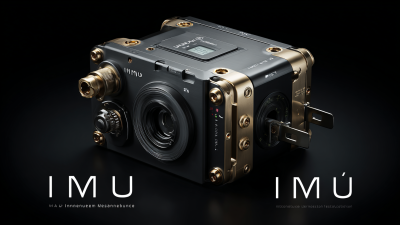









 The optical fiber gyroscope (FOG) has gained significant attention in various navigation applications due to its high precision and reliability. As the global gyroscope market is projected to grow from $5.75 billion in 2025 to $11.28 billion by 2032, with a compound annual growth rate (CAGR) of 10.1%, understanding the different types of optical fiber gyroscopes and their specific applications is crucial for manufacturers and consumers alike. The advancements in MEMS (Micro-Electro-Mechanical Systems) technology further enhance gyroscope performance, especially in inertial measurement units (IMUs) and accelerometers.