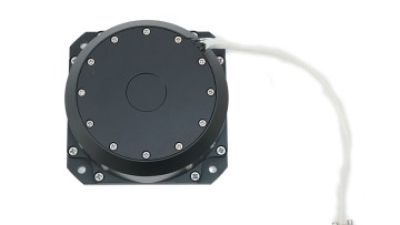
As robotics keeps pushing forward, Inertial Units have become pretty crucial in making navigation and precisionby quite a leap. I recently came across a market report from ResearchAndMarkets – apparently, the global market for inertial navigation systems is expected to hit around 10 billion USD by 2025. That’s mainly because autonomous tech is really booming, and various sectors like defense, aerospace, and transportation are all craving these systems more and more. Now, a company called Poseidon International Group from Hong Kong, founded back in 2013, is really leading the charge here. They focus on researching, designing, and manufacturing fiber optic gyroscopes (FOG) and inertial navigation systems (INS). They’ve got a solid bunch of patents and are totally committed to improving attitude and control systems, along with autonomous driving tech—big stuff that’s shaping the future of robotics. By leveraging advanced Inertial Units, Poseidon hopes to improve how accurate and reliable navigation systems can be, putting them right in the mix as a major player in the world of robotic innovation.
The Role of Inertial Units in Modern Robotics
You know, in modern robotics, inertial units are really becoming a game-changer when it comes to boosting accuracy and navigation. These little devices—usually a combo of accelerometers and gyroscopes—give robots real-time info about how they're moving and which way they're facing. By tracking acceleration and rotational shifts, inertial units help robots stay on track and know exactly where they are, even when things get pretty hectic around them. It’s a must-have for stuff like self-driving cars and drones, where reliable navigation really makes a difference for both safety and performance.
And here's the cool part—when you team up inertial measurement systems with other sensors like GPS or cameras, the whole system gets way smarter. Combining all this data helps robots understand their environment better and make smarter decisions. So, those inertial units don’t just keep the robot on course; they also help with things like avoiding obstacles and figuring out the best path to take. As robotics keeps on progressing, the tech behind these inertial units is gonna be super important for creating the next-gen of smart, autonomous machines.
Advancements in Inertial Measurement Technology
Lately, there’s been some pretty exciting progress in inertial measurement tech, and it’s really changing the game for robotics. These days, inertial measurement units—or IMUs—are way more accurate and reliable, thanks to new sensors that can better capture acceleration and rotational movements. That means robots can now get a much clearer sense of their orientation and how they’re moving in the moment, which makes navigating tricky environments a lot smoother.
What’s also pretty interesting is how folks are combining these sensors with smarter algorithms—think Kalman filtering and the like—to clean up and interpret the raw data more effectively. This kind of tech helps robots stay steady and in control, especially in stuff like self-driving cars, drones, or robotic arms doing delicate work. And the coolest part? The research is still going strong, so we’re probably going to see even more impressive improvements soon. It’s exciting to think about robots becoming more agile and precise, handling tasks that used to seem totally out of reach.
Exploring the Future of Robotics: How Inertial Units Enhance Precision and Navigation - Advancements in Inertial Measurement Technology
| Technology Type |
Precision Level |
Application |
Measurement Range |
Key Advantages |
| Microelectromechanical Systems (MEMS) |
±0.5°/h |
Smartphones, Drones |
±90° |
Compact Size, Low Cost |
| Fiber Optic Gyros |
±0.01°/h |
Aerospace, Marine |
±360° |
High Precision, Robust |
| Ring Laser Gyros |
±0.005°/h |
Defense Systems |
Unlimited |
Ultra High Precision, Stability |
| Inertial Navigation Systems (INS) |
±0.1°/h |
Autonomous Vehicles |
Real-time |
Self-contained, Reliable |
| Quantum Sensors |
±0.001°/h |
Geophysical Surveys |
Deep Earth Measurement |
Extremely Accurate, Sensitive |
Enhancing Navigation Accuracy with Inertial Units
You know, when it comes to robotic systems, how well they navigate pretty much depends on the tech behind their movements. And one big boost comes from integrating inertial units. I was reading a report by BIS Research — they say the global market for inertial measurement units (IMUs) is expected to hit around $19.1 billion by 2026. That just shows how much people are relying on these gadgets across all sorts of industries—like cars, planes, and robots. Basically, these units use accelerometers and gyroscopes to give real-time info on velocity, orientation, and gravity, which helps robots perform their tasks with crazy precision—sometimes even in tough environments where things are really challenging.
If you’re looking to get the most out of inertial units for navigation, one smart move is to use sensor fusion techniques. Putting together data from IMUs and other sources like GPS or cameras can really step up the system’s reliability. For example, a study from the International Journal of Robotics Research pointed out that combining sensors can cut down positional drift—a common problem with just inertial navigation—by up to 40%. That’s a big deal!
And don’t forget, keeping these inertial units calibrated is super important too. Doing regular checkups and adjustments helps prevent errors from piling up over time, making your robot’s movements way more accurate. As the tech keeps improving, investing in high-quality inertial units is pretty much a no-brainer if you wanna push your robotic systems to the next level.
Real-world Applications of Inertial Units in Robotics
You know, when it comes to robotics, inertial units are pretty much the backbone for making these machines smarter with navigation and precision stuff. They usually pack in accelerometers and gyroscopes—those tiny sensors that tell the robot which way it's facing and how it’s moving at any given moment. When you combine all that data, it’s like giving the robot a sense of where it is in the world, which helps it do complicated tasks much more smoothly. And honestly, that kind of precision is a game-changer—like for drones, where keeping steady flight paths and pulling off tricky maneuvers without a hitch is super important to get things right.
Plus, inertial units are becoming real heroes in places like factories and warehouses. Robots wandering around those busy areas use these sensors to avoid bumping into stuff and find the best routes, even when things are moving around all the time. And in healthcare, especially during surgeries, these sensors help surgical robots stay steady and accurate, making sure every move is just right. All in all, with tech like this constantly improving, we’re only gonna see robots getting better and better—opening up all kinds of new possibilities across different industries. It’s pretty exciting stuff, if you ask me.
Exploring the Impact of Inertial Units on Robotics Precision
Challenges and Limitations of Inertial Navigation Systems
Inertial Navigation Systems, or INS for short, are really important when it comes to advancing robotics technology. But honestly, they’re not perfect and face a bunch of hurdles that can mess with their accuracy. One big issue is what's called ‘drift’ — basically, over time, small errors add up, and this can cause the system to lose its way pretty quickly. I read a report by IEEE from 2022 that mentioned traditional INS can lose around 10% of their accuracy every hour, especially in fast-moving or complex environments. That’s a problem, especially for self-driving cars and drones where getting the navigation just right is a matter of safety and efficiency.
On top of that, things like magnetic interference or rough terrain can make things worse for inertial sensors. A study from the International Journal of Robotics Research pointed out that in crowded city areas, tall buildings and urban structures tend to mess with the sensor signals, making the navigation less reliable. Because of all these hiccups, researchers are constantly looking for better ways to combine sensor data — that’s what we call sensor fusion — to make INS systems more dependable.
Pro tip: To get better accuracy, it helps a lot to blend data from other sources like GPS or LIDAR, which can help counteract drift and environmental problems. Also, don’t forget to calibrate those sensors regularly; it’s key to keeping things precise, especially over long runs. By recognizing these challenges and staying open to new solutions, we can truly improve how well robotic navigation systems work — it’s all about making them smarter and more reliable.
Future Trends in Robotics and Inertial Unit Integration
You know, integrating inertial units into robots is pretty much a game-changer. It’s making them more precise and better at figuring out where they are and where they’re going. I recently came across a report from MarketsandMarkets that says the worldwide market for inertial measurement units—yeah, IMUs—is expected to jump from about $1.3 billion in 2023 all the way up to $2.1 billion by 2028. That’s roughly a 10.3% growth rate each year! This spike seems to be fueled by some pretty exciting tech improvements in sensors and the roaring demand for automation in fields like manufacturing, healthcare, and even driverless cars.
In the world of robotics, inertial units are pretty much the backbone when it comes to giving robots real-time info about their orientation and movement. That means robots can perform tasks more accurately, which is huge. A study from Research and Markets points out that top-notch IMUs boost feedback systems, helping robots plan paths better and avoid obstacles smarter. As these machines get better at navigating complex environments, these sensors really help them adapt and handle changing conditions. We're talking about really cool possibilities—things like logistics, farming, and even disaster response. As the industry keeps evolving, I think the combo of robotics and inertial units is going to totally change how efficient these systems can be and unlock all sorts of new innovations.
Revolutionizing UAV Navigation: Insights from the Global Inertial Sensor Market Report 2023 on BSD98 Implementation
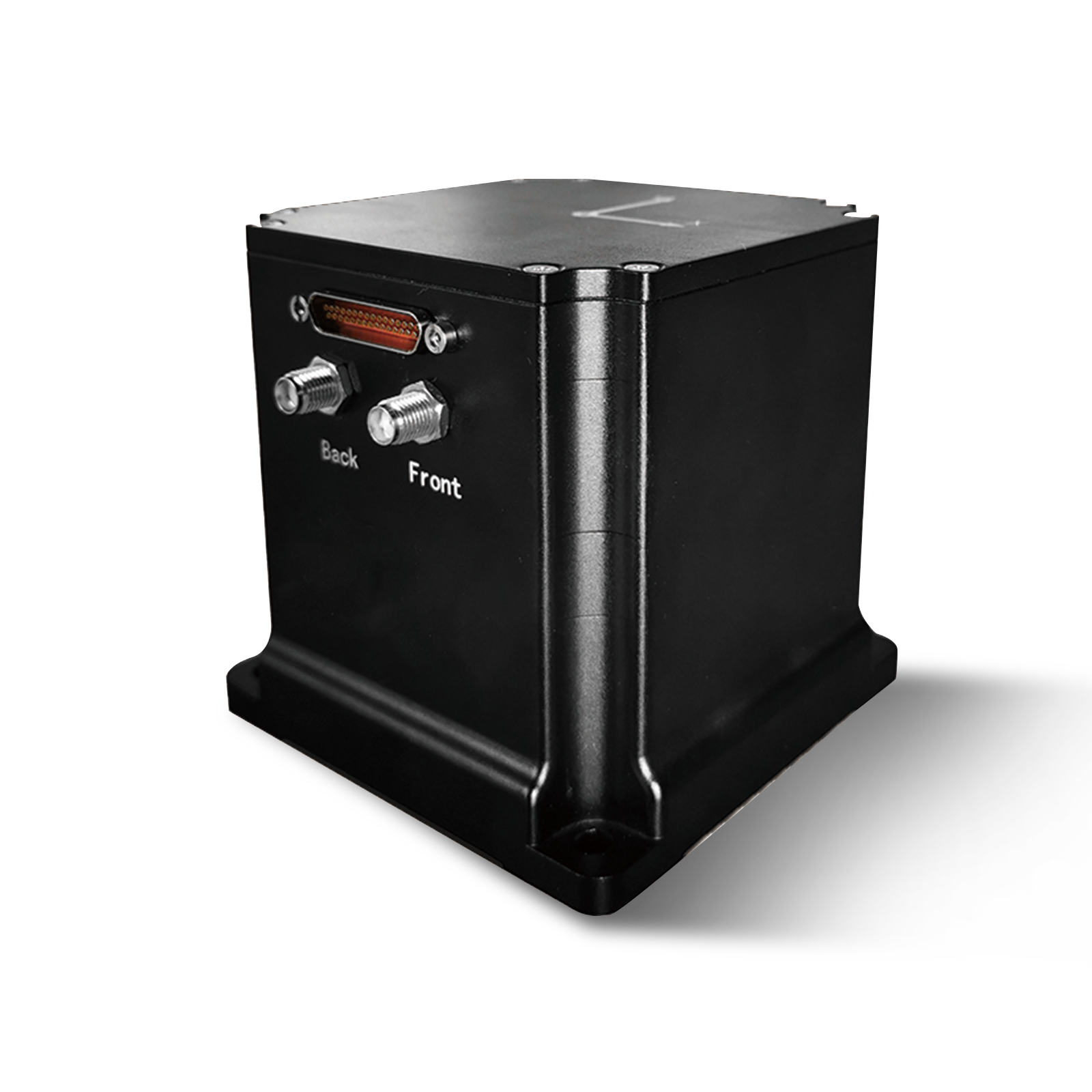
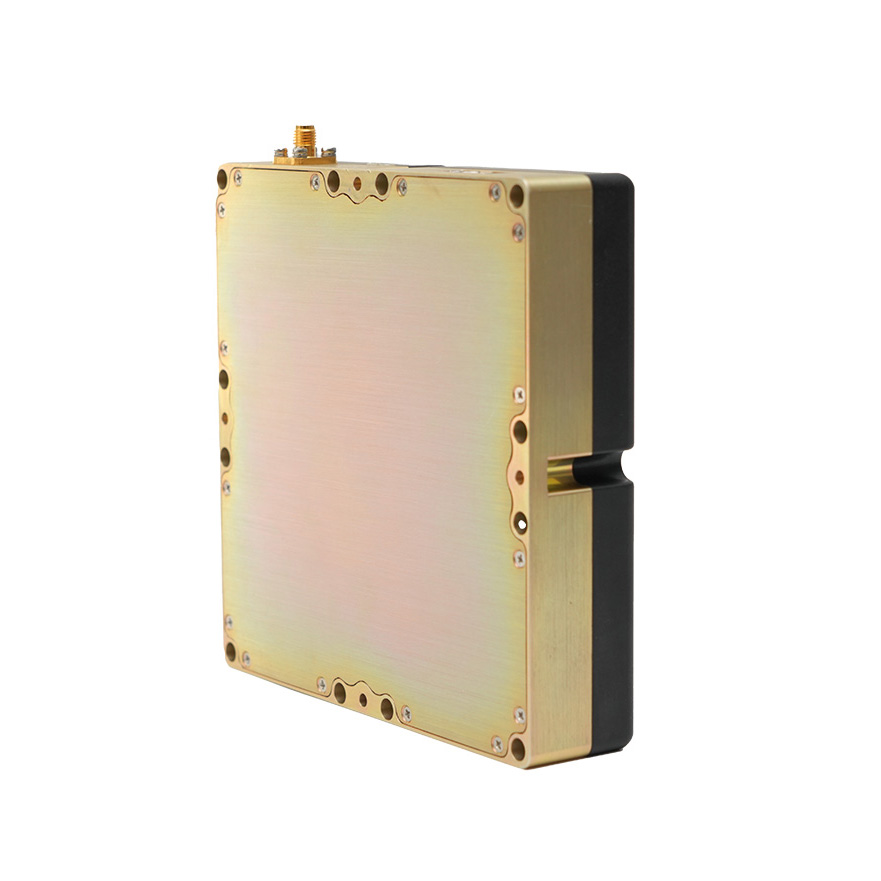
The landscape of unmanned aerial vehicle (UAV) navigation is undergoing a significant transformation, as highlighted in the Global Inertial Sensor Market Report 2023. A cornerstone of this innovation is the Poseidon BSD98, a state-of-the-art fiber optic gyroscope that embodies the cutting-edge advancements in inertial navigation technology. With its digital closed-loop technology, the BSD98 ensures exceptional precision and versatility required for navigating complex environments.
The BSD98 features an impressive zero-bias stability of 0.01°/h to 0.05°/h with 10s smoothing, making it a top choice among high-precision inertial navigation systems. Its compact design (98mm×98mm×35mm, ≤470g) allows for easy integration into various platforms, from UAVs to advanced automation systems. Designed to operate within rugged environments, the BSD98 offers rapid startup capabilities and a wide dynamic range. Its robust resistance to vibration and shock is crucial for applications in vehicle-mounted positioning and other critical missions where accuracy is paramount.
Industry reports indicate a growing demand for reliable inertial navigation solutions, with the market projected to expand significantly. In particular, as UAV technology continues to evolve, the necessity for high-performance sensors like the Poseidon BSD98 becomes increasingly evident. The ability to deliver precise navigation data in challenging conditions positions the BSD98 as an indispensable tool in the future of UAV navigation systems.
FAQS
: IMUs utilize accelerometers and gyroscopes to provide real-time data on velocity, orientation, and gravitational forces, significantly enhancing the navigation capabilities and precision of robotic systems.
The global IMU market is expected to reach $19.1 billion by 2026, indicating a growing dependency on these technologies across sectors like automotive, aerospace, and robotics.
Sensor fusion techniques, which combine data from IMUs with other navigational aids like GPS and visual sensors, can greatly improve reliability and reduce positional drift by up to 40%.
INS face cumulative drift that can lead to significant navigational errors, particularly in dynamic environments, where accuracy can degrade as much as 10% per hour.
Magnetic interference and variable terrain can disrupt sensor readings, especially in densely populated urban areas, thereby reducing the effectiveness of inertial units.
Regular calibration helps mitigate errors that accumulate over time, ensuring optimal performance and enhancing the accuracy of robotic movements.
Integrating sensor data from GPS or LIDAR can help mitigate the effects of drift and environmental interferences, thereby improving the overall accuracy of navigation systems.
Due to the limitations of traditional INS, ongoing innovation in sensor fusion techniques is required to enhance the reliability and performance of navigation systems in robotics.
Acknowledging and seeking advanced solutions for the limitations of inertial navigation systems can lead to significant improvements in the performance and safety of robotic navigation applications.
Conclusion
Lately, the way Inertial Units are used in robotics has completely changed the game. They've really stepped up how precisely robots can navigate and figure out their orientation. Especially with Inertial Measurement Units, or IMUs for short, these systems are crucial in modern robotics—they give us pretty reliable info on a robot’s movement and position. Thanks to ongoing tech improvements, navigation has become way more accurate, letting robots handle even tricky environments with ease. We see them everywhere now, from those cool self-driving cars to factory automation—it's impressive how versatile inertial navigation systems have become.
That said, they’re not perfect. There are still some hiccups like sensor drift and calibration problems. But honestly, with the constant research and new innovations happening all the time, things are only gonna get better. Companies like Poseidon International Group are really leading the charge, developing more advanced inertial navigation tech and helping push robotics into the future. It’s an exciting time for this field!

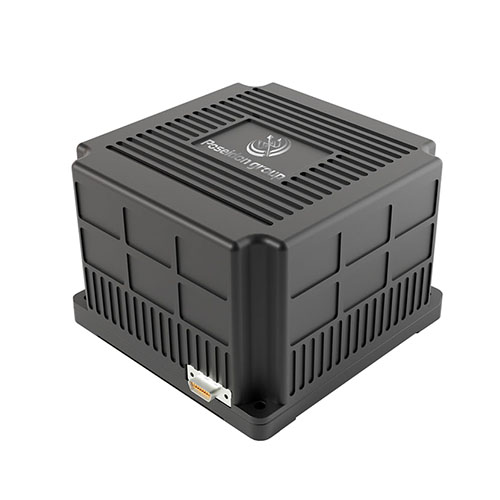 TBSD60
 BSD120
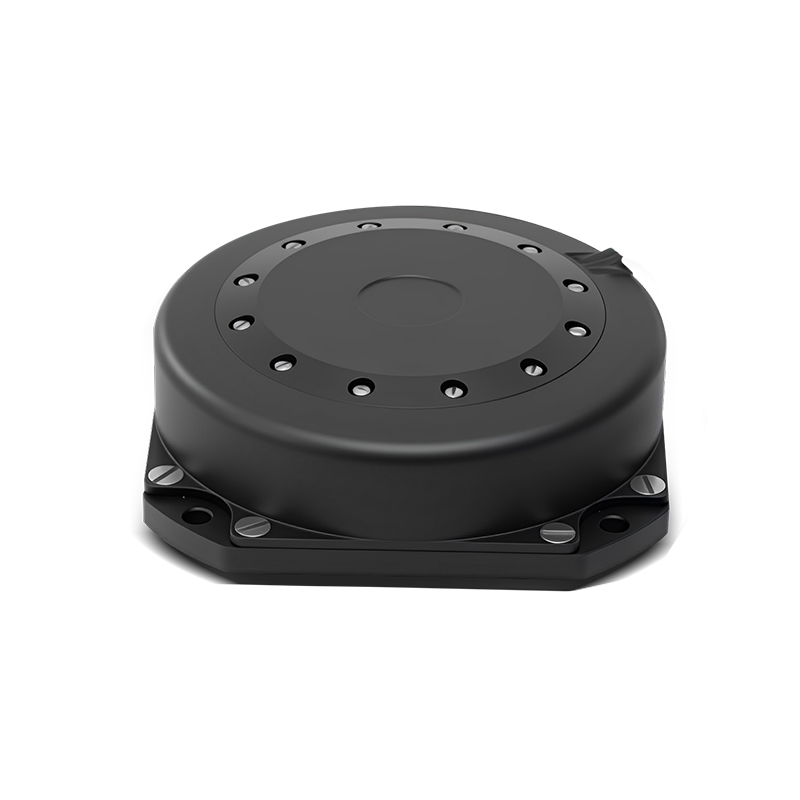 BSD98
BSD98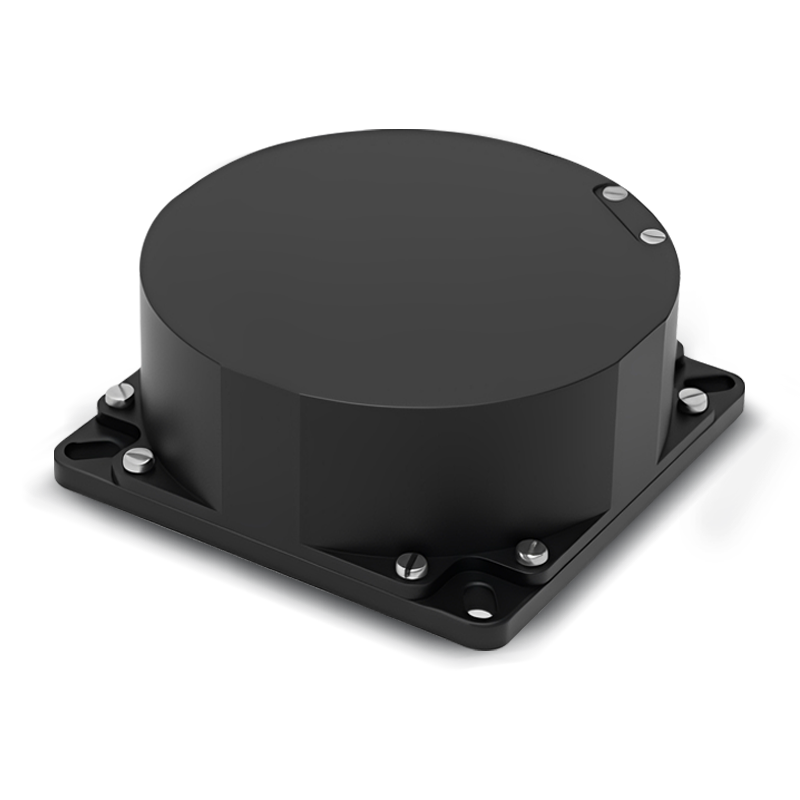 BSD70
BSD70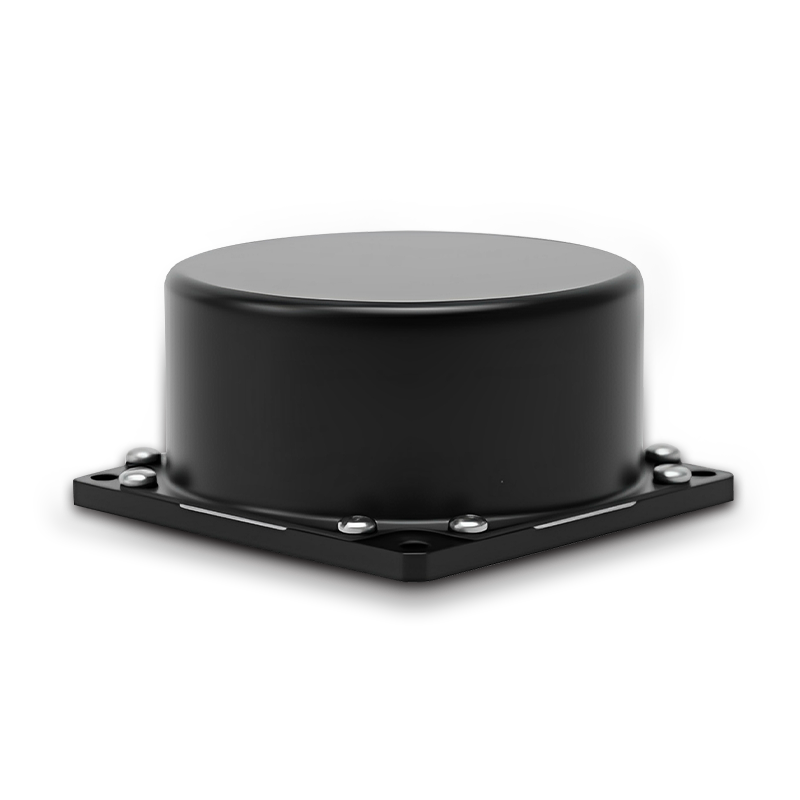 BSD60
BSD60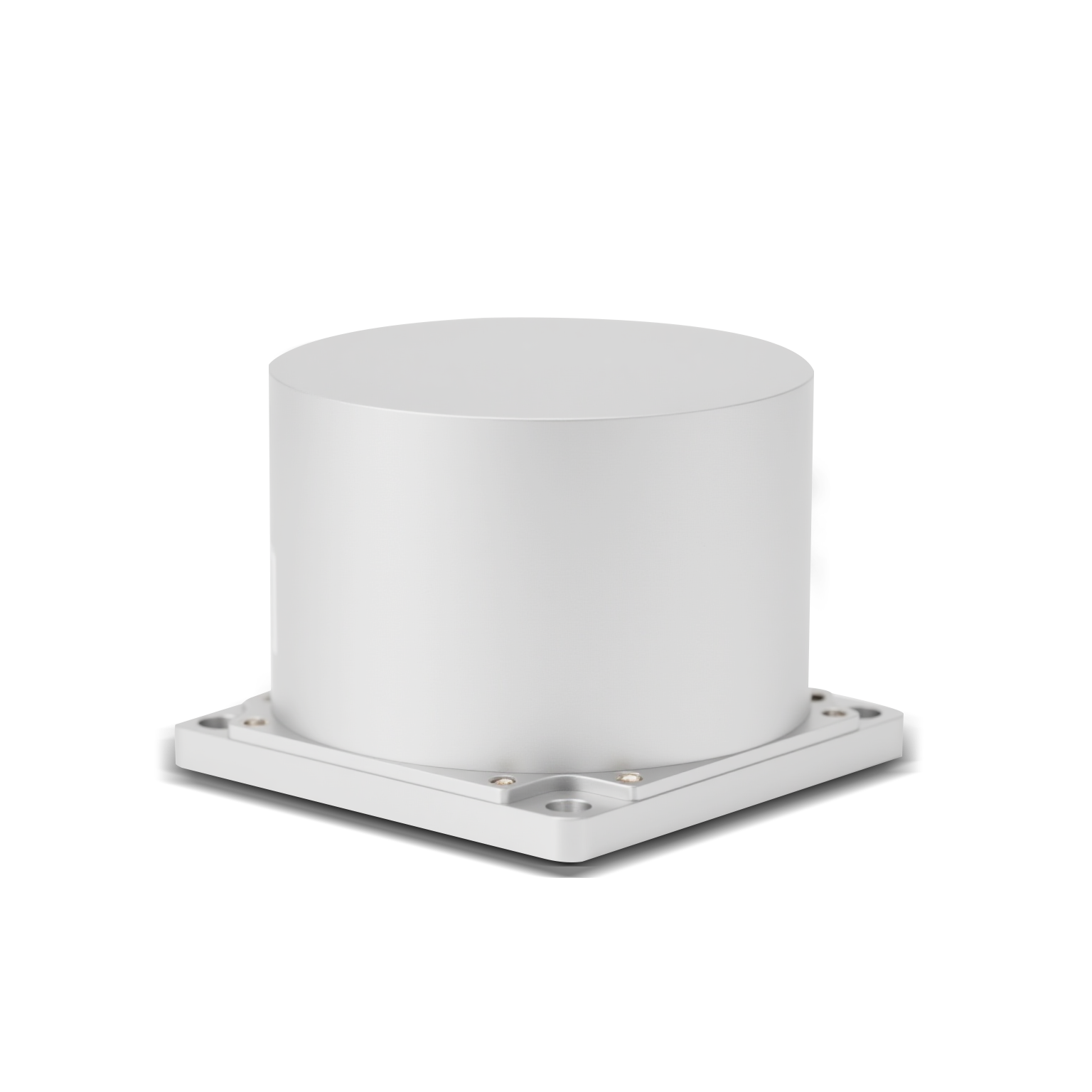 BSD50
BSD50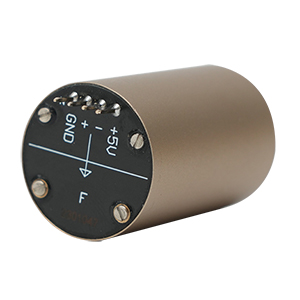 BSD217
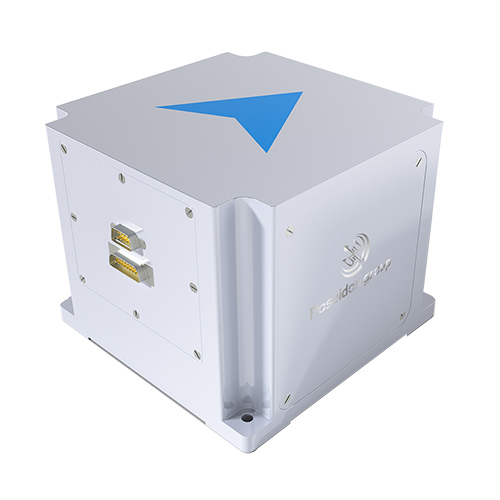 INS1700
 INS970
 INS570
 INS170
 SLA-4B1L1-65
 SLA-4B1L1-130
 SLA-8B1L1-165
 DIVER 101
 DIVER 102
 DIVER 103
 DIVER 104
 DIVER 105
 DIVER 106
 SLLR3000
 SLLR905
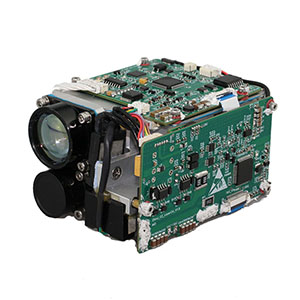 SLLD25
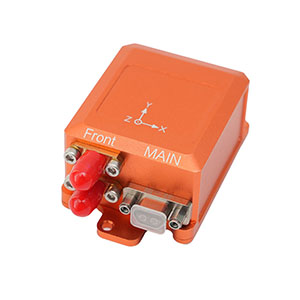 160M
160M 170M
170M SLFC-70
 SLAF280
 MR360
MR360